
SCRA Towing Compliance: What Every Towing Company Should Know
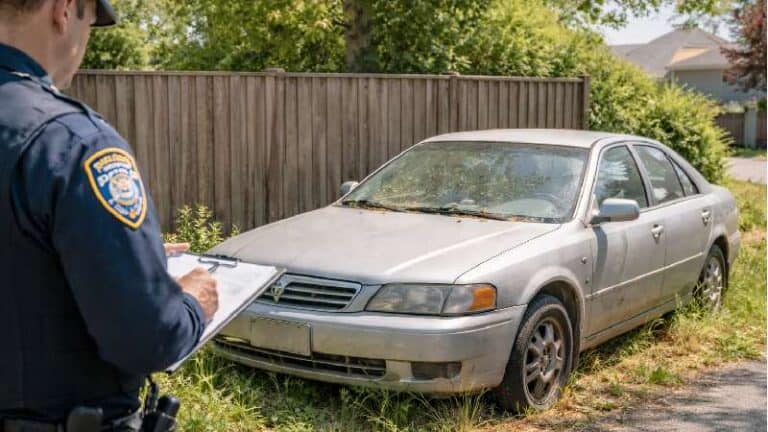
SCRA towing compliance refers to federal statutory considerations that may apply when towing companies or vehicle storage facilities handle vehicles owned by individuals in military service. The imposition of legal restrictions by the Servicemembers Civil Relief Act has the potential of influencing the practice of towing, impoundment, lien enforcement, and disposal of vehicles.
This article discusses the intersection of towing operations and the Servicemembers Civil Relief Act in detail. The following sections describe federal compliance considerations, procedural frameworks, and documentation processes for towing operations involving a vehicle owned by a servicemembers.
Servicemembers Civil Relief Act and Its Relevance to Towing
The Servicemembers Civil Relief Act provides legal protections to persons who serve in the armed forces. These protections apply during a servicemember’s period of active duty military service, and in some instances, they may extend beyond the active duty period.
In the context of towing operations, the statute may intersect with procedures related to impoundment, vehicle storage, and lien enforcement. Because these activities involve custody of personal property and potential sale of that property for unpaid fees, certain actions may fall within areas where federal protections are relevant.
The Servicemembers Civil Relief Act was enacted to provide legal and financial safeguards for servicemembers whose ability to meet civil obligations may be materially affected by military service. The statute applies nationwide and operates alongside state laws that regulate civil procedures and property enforcement.
These protections may arise in a variety of civil matters, including repossessions, lease terminations, foreclosure proceedings, and certain enforcement actions involving personal property such as a vehicle. As a result, towing companies and vehicle storage facilities may encounter situations where federal protections are relevant during the handling of impounded vehicles.
When a towing company takes custody of a vehicle owned by a person serving on active duty, certain enforcement steps may require additional attention to statutory requirements. Actions such as lien enforcement or vehicle sale may involve restrictions under federal law, and improper handling of these procedures could lead to compliance concerns.
When SCRA Applies to Towing and Storage Operations
SCRA safeguards do not apply to every towing situation, but when the vehicle owner is a servicemember on active duty, certain legal limits may influence how storage liens, auction sales, and vehicle disposal procedures are handled.
Impoundment and Storage of a Servicemember’s Vehicle
In the case of a vehicle impoundment, the towing operator becomes the temporary custodian and may charge a storage fee. If the vehicle owner is on active duty, enforcement of a lien on unpaid charges may be restricted. Before lien enforcement or sale, military status verification may be used to confirm whether a vehicle owner was on active duty as of a specified date.
Storage Liens and Auction Sales
Many states allow towing companies to impose a storage lien by auctioning it publicly if the fees are not paid. However, federal law may require a court order before property belonging to an active-duty servicemember can be sold.
Military Status Verification in Towing-Related Compliance Workflows
Military status verification documents confirm whether an individual was on active duty as of a specified date. In towing-related enforcement processes, this documentation may appear in administrative records when lien enforcement, impoundment, or vehicle disposition involves a potentially protected servicemember.
To understand how this verification is performed, it is helpful to review the basic process used to confirm military service status. Active duty status verification determines whether a person was serving in the armed forces on a particular date. The verification process is normally completed using identifying information such as the individual’s name and Social Security number. Verifications can be completed through the Defense Manpower Data Center, a database operated by the United States Department of Defense.
Because verification relies on official records, accurate data entry is essential for reliable results. Details such as full legal name, date of birth, and Social Security number must be entered correctly to avoid incomplete or inaccurate responses. Careful data entry and proper record retention often appear within administrative documentation connected to military status verification.
Before moving forward with lien enforcement, vehicle sale, or other towing-related enforcement steps, it is advisable to confirm whether SCRA protections may apply. Click here to verify active duty military service status before proceeding.
Court Orders and Enforcement Restrictions

The Servicemembers Civil Relief Act restricts certain enforcement actions involving property owned by protected servicemembers. In some situations, federal law may require judicial approval before a lien is enforced or a sale occurs involving property held by an individual on active duty.
These restrictions can become relevant during towing and storage enforcement procedures, particularly when unpaid storage charges lead to potential lien enforcement or vehicle disposition.
When storage charges arise during a servicemember’s period of active duty and the underlying obligation existed before military service began, enforcement without a court order may be restricted. Judicial authorization may be required before an auction or final sale if enforcement involves property owned by an active duty servicemember.
Improper sale of a vehicle belonging to a protected servicemember without proper examination of military status can lead to potential violations of the Servicemembers Civil Relief Act. Questions about enforcement eligibility and whether court authorization is required generally involve legal interpretation and review by qualified legal professionals.
Interaction with Creditors and Lienholders
Finance companies and secured creditors are commonly involved in towing activities. These entities may coordinate enforcement procedures while remaining subject to SCRA-related restrictions. The points below highlight compliance considerations in cases involving multiple parties:
Coordinating with Secured Lienholders
Vehicles with an existing security interest held by a lender may involve lienholder participation during enforcement or disposition procedures. The creditor can claim rights or offer direction on the restrictions of enforcement. Coordination between involved parties may appear within administrative records associated with enforcement procedures.
Avoiding Conflicting Enforcement Actions
Situations involving multiple enforcement interests may include coordination between towing operators and secured lenders. Enforcement actions are subject to federal and state statutory requirements governing notice and lien procedures.
Renting Agreements, Vehicles on Lease, and Special Cases
The SCRA protections can overlap with the rental agreements or leased cars. Service members’ protective rights may include contract termination or other statutory rights. Towing and storage rules may conflict with lease restrictions or termination rights.
Special circumstances, such as:
- Lease Termination Protections: When a servicemember enters active duty or obtains military orders, they may terminate a car lease. Federal lease termination rights may conflict with servicemember towing and storage enforcement.
- Security Deposits and Associated Claims: In lease situations, there may be problems of security deposits or similar issues of financial claims. All enforcement actions remain subject to statutory limits set under federal and state law. A qualified attorney may provide legal guidance when it is needed in situations involving complex ownership or lease-related matters.
Notice Requirements and Due Process Considerations
Written notice requirements appear within both state lien statutes and federal SCRA provisions. Enforcement actions remain subject to statutory notice requirements established under state and federal law.
The following outlines notice-related considerations:
- Providing Notice to the Vehicle Owner: State statutes require written notice before the sale of impounded property. When a vehicle owner is an active-duty servicemember, enforcement actions may be subject to additional statutory requirements. Written notice documentation commonly appears within lien enforcement and administrative records.
- Ensuring Fair Opportunity to Respond: When a servicemember is deployed, they may have limited ability to respond to notices. Courts may consider whether enforcement measures are reasonable. Documentation verifying military status may be included in administrative records if enforcement actions involve a servicemember who might be protected.
Federal Enforcement and Penalties for SCRA Violations
Federal enforcement actions involving alleged violations of the Servicemembers Civil Relief Act have been documented in repossession and property enforcement cases. The key enforcement considerations include the following:
U.S. Department of Justice Enforcement Activity
The U.S. Department of Justice (DOJ) has brought enforcement actions involving alleged improper repossession or sale of property belonging to servicemembers. Enforcement actions may include restitution, civil penalties, and obligatory compliance reforms. On the DOJ site, public announcements can be found frequently.
Civil Liability Exposure
Besides the federal enforcement, a complaint or a civil action can be made on a case-by-case basis by individual servicemembers. Courts may provide damages and attorney’s fees in civil claims involving alleged violations of the Servicemembers Civil Relief Act.
Common Administrative Documentation in SCRA-Related Workflows

Administrative files in towing and vehicle storage operations may contain lien notices, storage charge records, ownership details, and auction paperwork. If a vehicle owner is an active-duty servicemember, military status verification documentation may appear in these records.
- Establish Written Compliance Policies: Organizational documentation related to lien enforcement or vehicle disposition may include internal records describing notification procedures, documentation practices, and administrative workflows. These records vary by organization and jurisdiction.
- Maintain Documentation and Conduct Review: The file should include verification results, notices, and a clear record of actions completed. Administrative files may also reflect supervisory examination of documents regarding lien enforcement or auction processes. Documentation standards may vary by policy.
Role of Support Services in Verification
Third-party verification services may be used to document active-duty status using Department of Defense records. These services rely on Department of Defense data sources for status verification.
The following explains how such services facilitate compliance:
- A DMDC military check confirms whether an individual was on active duty as of a specified date. The output is a yes or no determination based on Department of Defense records.
- These verification services confirm status only. They do not interpret the SCRA, decide legal eligibility for relief, or provide legal advice.
- Questions regarding enforcement eligibility or statutory interpretation require review by qualified legal professionals.
Final Thoughts
SCRA towing compliance involves the interaction between federal servicemember protections and state towing, storage, and lien enforcement procedures. When enforcement actions involve a vehicle owner who may be on active duty, confirming military status may be relevant. For documentation support, consider using a military status verification service based on Department of Defense records.
FAQs
How Do Towing Companies Verify Military Status?
Towing companies may confirm military status by conducting a military status verification through the Defense Manpower Data Center (DMDC). The DMDC maintains official Department of Defense records used to determine whether an individual was on active duty as of a specified date. Verification documentation may appear in administrative records when enforcement procedures involve a vehicle owner who may be protected under the Servicemembers Civil Relief Act.
Does the Servicemembers Civil Relief Act Apply After Military Service Ends?
The protections of the Servicemembers Civil Relief Act apply during a servicemember’s period of active-duty military service. In certain circumstances, some protections may continue for a limited period after active duty ends. These extended protections may affect enforcement actions involving property, including vehicle towing, storage liens, and potential sale procedures.
What Happens if a Towing Company Violates the Servicemembers Civil Relief Act?
Violations of the Servicemembers Civil Relief Act may expose organizations to civil liability, financial penalties, and enforcement actions. The U.S. Department of Justice has brought enforcement cases involving towing or property enforcement activities where compliance requirements were not followed. In some circumstances, servicemembers may also file federal lawsuits alleging violations of SCRA protections.
What Should a Servicemember Do if Their Vehicle Is Towed During Active Duty?
If a servicemember’s vehicle is towed, the servicemember may notify the towing company and provide documentation confirming active-duty status, such as deployment orders or other military service records. Providing this information may help clarify whether the Servicemembers Civil Relief Act protections apply to the enforcement actions associated with the vehicle.
Can a Towing Company Sell a Servicemember’s Vehicle Without a Court Order?
Federal law may restrict the enforcement of storage liens against vehicles owned by active-duty servicemembers. Under the Servicemembers Civil Relief Act, a court order may be required before a towing company can enforce a storage lien or sell a vehicle owned by a servicemember during military service and for a limited period afterward. This requirement may apply even if state law normally allows lien enforcement without judicial approval.