
Tow Lot Lien Sale Procedure: Compliance Checklist for Tow Lots and Storage Facilities
The tow lot lien sale procedure is a legal process that permits a towing company or a vehicle storage facility to recover the unpaid towing and storage fees through a process of selling the vehicle based on the state lien laws. Although state laws specify the procedures governing lien sales, federal law, including the Servicemembers Civil Relief Act (SCRA), may affect certain enforcement actions on some of the enforcement measures concerned with property belonging to servicemembers.
This article explains the lien sale process within the context of statutory lien enforcement and related federal considerations. It describes procedural stages such as notice requirements, redemption periods, auction protocols, and documentation, while identifying where military-status verification may appear within administrative records associated with lien enforcement.
Purpose and Structure of The Tow Lot Lien Sale Procedure
The lien sale process converts unpaid towing and storage charges into a legally recognized recovery mechanism. The validity of a lien sale depends on adherence to statutory procedures governing towing and storage liens.
This structure explains what each stage of the lien enforcement process accomplishes and why each step is legally required before a vehicle is sold:
Why Lien Sale Procedures Follow a Defined Legal Process
The tow lot lien sale process is cumulative. It usually involves several steps. That is the legal acquisition of the vehicle, the notification of interested parties, the statutory redemption period, and the final sale. Failure to follow the required statutory procedures can impact the validity of the lien sale or transfer of title under the relevant state law.
Alignment with SCRA Lien Sale Compliance
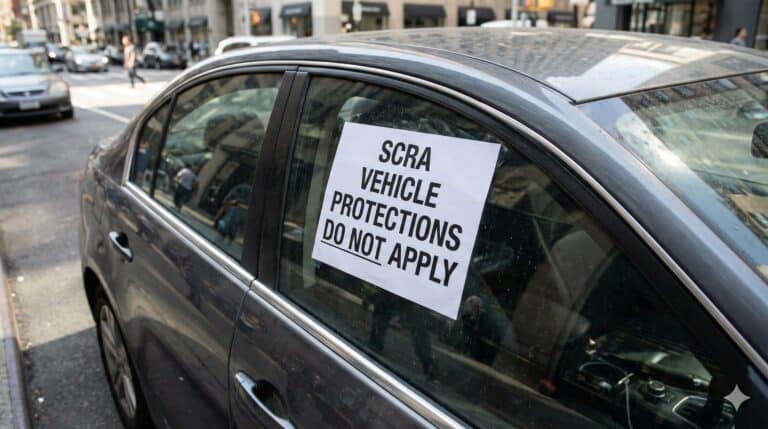
In certain cases, SCRA protections may intersect with lien enforcement procedures. If a registered owner is on active duty, federal statutory protections may affect the lien enforcement process. In certain situations, federal law may limit enforcement actions involving property owned by an active-duty servicemember.
As a result, federal statutory considerations under the Servicemembers Civil Relief Act may intersect with lien enforcement procedures governed by state law. Military status verification documents whether an individual was on active duty as of a specified date based on Department of Defense records.
Standard Lien Sale Process Overview

The lien sale process generally progresses through several administrative and statutory stages. These stages describe statutory lien enforcement procedures, ownership notification requirements, and administrative documentation associated with vehicle storage liens. While state-specific rules vary, the structure remains similar nationwide.
Step 1: Establishing Lawful Possession and Initial Documentation
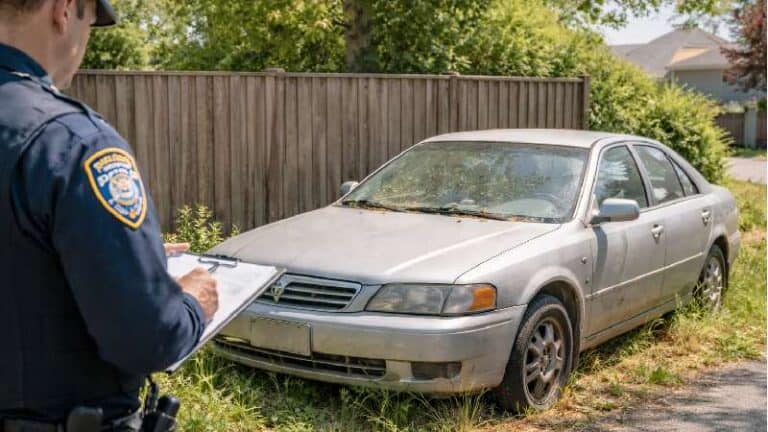
The first phase of the tow lot lien sale procedure is to establish legal possession of the vehicle. It begins when the towing service lawfully takes possession of the vehicle. Lawful possession may arise through impoundment of private property, law-enforcement request, or vehicle abandonment.
Tow operators typically record vehicle documentation in administrative files before initiating the lien sale process. Administrative intake records commonly include the following documentation:
Recording Vehicle Information
Vehicle identification information typically includes the vehicle identification number (VIN), make, model, and model year. Documentation of vehicle condition and storage date commonly appears within intake records. These details often appear in lien documents and public notice records connected to the lien sale process.
Rate Sheet and Fee Calculation
State regulations commonly require publication of towing and storage rate schedules. Applicable fees are generally established under state laws regulating towing and storage services. Fee calculations are commonly recorded within administrative records connected to the lien process.
Step 2: Ownership Identification and Record Requests
This stage involves the identification of registered owners, lienholders, and other recorded parties with a potential ownership interest in the vehicle. It outlines statutory ownership identification and notice rules related to enforcing liens.
Requesting Ownership Records from DMV
Towing operators typically request ownership information from the appropriate motor vehicle authority. This validates the registered owner, legal owner, and any registered lien holder. If the motor vehicle is out of state, a request for additional records may be necessary to complete the tow lot lien sale procedure.
Preparing the Lien Form and File
Lien forms are typically completed and submitted to the appropriate authority as part of the lien sale process. Copies of ownership records and applicable fee calculations are typically included in supporting documentation. Administrative records associated with the process may include the following documentation:
- Intake records
- Photographs
- Rate sheet
- Ownership search results
Step 3: Notice Requirements and Certified Mail Procedures
Notice requirements form a central component of statutory lien sale procedures. It provides owners with the opportunity to reclaim their property. Here’s how statutory notice requirements appear within lien sale procedures:
Certified Mail and Return Receipt
State lien laws generally require notice to be sent by certified mail with a return receipt. Proof of mailing normally appears within administrative records related to the notice process. Failure to comply with statutory notice requirements may affect the validity of a lien sale under applicable state law.
Required Content of Such Notice
Notice documentation generally includes outstanding fees, the planned sale date, vehicle details and the redemption period. It generally states that the vehicle may be sold if outstanding charges remain unpaid.
Step 4: Redemption Period and Owner Payment Rights
The redemption period is a legal process in the entire process of selling a lien. It enables the vehicle owner to pay the outstanding money and reclaim the vehicle prior to sale.
Accepting Payment During Redemption
During redemption, the owner may pay with certified funds, such as money orders. Payment at this stage could result in the release of the vehicle and corrections to administrative records.
Lienholder and Insurance Company Claims
A lienholder or insurance company may assert its interest and settle all outstanding charges. Documentation of these claims may be found within the lien process records.
Step 5: Military Status Verification Before Sale
This stage introduces federal statutory considerations that may intersect with lien enforcement procedures involving servicemembers. The following pointers describe the role of military status verification within lien enforcement procedures involving servicemembers:
Conducting an Active-Duty Status Check
An active-duty status check documents whether the registered owner was serving on active duty in the armed forces as of a specified date. A DMDC military verification provides confirmation of active-duty status based on Department of Defense records.
Court Order Requirement if Owner Is Active Duty
In certain circumstances, federal law may restrict enforcement actions involving property owned by an active-duty servicemember. Military status verification documents whether a vehicle owner was on active duty as of a specified date based on Department of Defense records.
Step 6: Conducting the Public Sale

This stage in the tow lot lien sale procedure is designed to convert unpaid charges into recoverable funds through a lawful public sale. Public sales are commonly conducted following the statutory requirements for lien auctions.
Auction and Buyer Documentation
Public sale procedures are generally executed following statutory guidelines for lien auctions. Vehicles are typically sold to the highest bidder in accordance with state lien auction procedures.
Transfer Documentation
Records related to the sale typically include a bill of sale and supporting files. Buyers may use this documentation when requesting title transfer through the appropriate motor vehicle authority. Tow operators typically maintain administrative records that document notice publication and certified mail activity related to the sale.
Step 7: Post-Sale Recordkeeping and Surplus Handling
The concluding stage of the lien sale process involves administrative documents related to the completed vehicle sale. Accounting and record-keeping materials may be present within administrative files tied to the lien sale process.
Certified Copies and Record Retention
Certified copies of lien documentation commonly appear within administrative records. This documentation may be needed in case of contention. Record-retention practices are typically governed by state statutes and organizational policies.
Submission to DMV
Proper documentation supports the legal transfer of title through the appropriate motor vehicle authority. Legal transfer of title is done by proper documentation by the state motor vehicle authority. In requesting a title transfer, buyers usually provide the lien form, documents of sale, and inspection reports to the Department of Motor Vehicles (DMV) or the concerned authority in the state.
Accounting for Surplus Money
If the vehicle sells for more than the outstanding charges, the prior owner may be entitled to the surplus proceeds. Surplus proceeds from a lien sale are handled according to the state statutes that apply to surplus funds. Distribution of surplus proceeds is typically governed by state lien statutes.
Documentation of Fees and Costs
Administrative records commonly include itemized documentation of towing, storage, and administrative charges. Fee documentation often refers to applicable rate schedules established under state regulations. Such records may exist within administrative files connected to lien sale procedures involving servicemembers.
Conclusion
The lien sale process for towing and vehicle storage facilities adheres to statutory procedures established under state lien and towing regulations. These procedures typically involve recording that the vehicle has been lawfully taken, checking ownership records, providing the owner with required notices, providing a redemption period, and a public sale if the charges were not paid.
If the vehicle owner is a servicemember, federal protections under the Servicemembers Civil Relief Act (SCRA) may affect certain lien enforcement actions. SCRAcvs provides military status verification based on Defense Manpower Data Center (DMDC) records.
Military status verification confirms service status only and does not interpret SCRA protections, determine enforceability of statutory provisions, or provide legal advice. Questions regarding the application of the Servicemembers Civil Relief Act should be reviewed by qualified legal professionals.
FAQs
What Information Must Be Included in a Lien Sale Notice?
A lien sale notice generally includes key vehicle details such as the vehicle identification number (VIN), the name and address of the lienor, the amount of unpaid towing or storage fees, and the planned sale date. State laws often require the notice to be sent by certified mail to the registered owner and any recorded lienholders.
What Happens if a Towing Company Fails to Follow Lien Sale Notice Requirements?
Failure to comply with statutory notice requirements can affect the validity of a lien sale. In some jurisdictions, improper notice may prevent the towing company from imposing certain storage charges or may give the vehicle owner grounds to challenge the sale.
Can a Vehicle Owner Stop a Lien Sale Before the Auction?
In many cases, a vehicle owner or lienholder may stop a lien sale by paying the outstanding towing and storage charges. Owners may also initiate judicial proceedings or request a court injunction if they believe the vehicle was wrongfully towed or the charges were improperly applied.
What Happens to the Vehicle After a Lien Sale Is Completed?
After the auction, the towing company typically submits the sale documentation to the appropriate Department of Motor Vehicles (DMV) so the buyer can transfer the vehicle title. License plates are usually removed from the vehicle as part of the post-sale administrative process.
What Happens if the Vehicle Sells for More Than the Amount Owed?
If the auction generates funds exceeding the amount owed for towing and storage fees, the surplus funds are generally forwarded to a state agency such as the DMV or a court. These funds are typically held for the original owner according to applicable state statutes.