

Military Tenant Not Paying Rent: What Landlords Need to Know (SCRA Guide)
A difficult situation unfolds when months pass without rent and a tenant suddenly claims to be a military member.
You try to request proof, yet the tenant refuses to cooperate and warns that any attempt to remove them will lead to legal trouble. You are left unsure of the next step and worried that one wrong move could create serious consequences.
This exact moment is where many landlords feel stuck. When a tenant claims to be protected under the Servicemembers Civil Relief Act, you cannot move forward until their military status is confirmed. Active duty service members receive strong federal protections, and acting without verification can expose you to steep penalties, along with long legal setbacks.
This guide helps you learn how the SCRA applies to rental situations, how to verify tenant claims, and how to move forward with confidence while protecting your property and your rights.
Key Takeaways
- Military verification is mandatory before filing an eviction case. Courts require proof of a tenant’s active duty status to determine whether the Servicemembers Civil Relief Act protections apply.
- SCRA safeguards active duty servicemembers and their dependents, preventing eviction without a court order when military service affects their ability to pay rent or meet other lease obligations.
- Judges may grant a ninety-day stay or additional extensions if the tenant’s military duties materially interfere with their financial responsibilities.
- Veterans and non-active members are not protected under SCRA’s eviction rules and fall under regular state landlord-tenant laws.
- Using SCRACVS for verification ensures court-ready affidavits, fast turnaround, and compliance across all fifty states. It prevents case rejections caused by “not guaranteed” results from the DMDC and reduces the risk of civil penalties or federal fines.
- Maintaining proper documentation, serving lawful notices, and following civil procedure at every stage keeps landlords compliant and protected under federal housing regulations.
What is the SCRA, and why does it matter for Landlords?
The Servicemembers Civil Relief Act is a federal law that shields active duty personnel from certain civil actions during their period of military service.
For landlords, this matters because a court cannot approve an eviction if military service has materially affected a tenant’s ability to pay rent. The law ensures service members can carry out their duties without the fear of sudden housing loss.
The Act applies to several groups, including:
• Active duty service members
• Reserve members who receive federal orders
• National Guard members mobilized for more than thirty days
• A servicemember’s spouse, children, or individuals who rely on the servicemember for support
These protections often come into play when a family remains in a rental home while the servicemember leaves for deployment or receives new military orders.
The SCRA does not apply to everyone with a military connection. Veterans are not protected under this law, and tenants who claim to have military ties without current service do not qualify. A renter who once trained years ago or casually mentions military involvement without documentation is not covered under the Act.
A misunderstanding of who the law protects can create serious consequences. Courts may issue civil penalties, reverse an eviction, order compensation, or impose criminal fines if the landlord acted without confirming the tenant’s military status.
Landlords safeguard their rights by verifying the tenant’s military status before taking any step. A reliable verification confirms whether the Civil Relief Act applies and allows you to move forward with confidence while avoiding legal risk.
SCRA Eviction Protection: What Landlords Need to Know

SCRA eviction rules create a very specific process that landlords must follow when a military tenant falls behind on rent. The law blocks any removal from a rental property unless a judge authorizes it, and this rule applies when the monthly rent is below the federal limit, which is updated each year and typically sits above three thousand eight hundred dollars.
This safeguard exists to prevent service members from losing housing during periods of active duty service.
A judge must review the facts before deciding what happens next. The court looks at the tenant’s military service, any deployment orders, the timing of income changes, and whether those circumstances interfered with the tenant’s ability to pay rent. When the court finds that military service played a role in the missed payments, the judge can issue protections such as:
• A required stay that lasts at least 90 days
• More time if the situation calls for it
• Coverage for a servicemember’s spouse, children, or dependents
These measures help ensure families remain stable while the service member focuses on military responsibilities.
Landlords must avoid any action that pushes the tenant out without a court order. Turning off utilities, removing belongings, or locking the tenant out is considered unlawful self-removal under the Civil Relief Act.
These actions can lead to federal criminal penalties along with civil liability. Following the legal process is the only safe approach when dealing with a tenant who may be covered under SCRA protections.
What Landlords Can and Cannot Do Under SCRA
| Action | Allowed | Why |
|---|---|---|
| File eviction with verified military status | ✔️ | Courts must review SCRA applicability before allowing removal. |
| Evict without a court order | ❌ | Illegal under federal law. |
| Serve notice of nonpayment | ✔️ | Permitted, but the process halts once the case reaches court. |
| Lockout, shut utilities, or remove items | ❌ | Criminal violation under the Servicemembers Civil Relief Act. |
| Proceed if the tenant is not on active duty | ✔️ | Regular state eviction laws apply when SCRA protections do not cover the tenant. |
Can Landlords Verify Military Orders?
When rent goes unpaid and a tenant claims to be serving in the military, the first question most landlords have is simple: Can I ask to see proof? The answer is yes, though the law places limits on what you can request.
You may ask for confirmation of military orders, but tenants are not required to share those documents directly. Instead, it’s the landlord’s duty to verify their active duty status before taking any legal action in court.
The Servicemembers Civil Relief Act Centralized Verification Service, or SCRACVS, offers the most dependable solution for this process. It allows landlords and property managers to confirm military status quickly and accurately, without privacy concerns or lengthy delays.
Here’s why SCRACVS is the preferred verification method:
- Works even when the tenant’s Social Security number or date of birth is unavailable
- Produces results in roughly twenty-four hours
- Provides court-ready, notarized affidavits accepted nationwide
- Ensures results are dispositive, avoiding disclaimers that can cause rejection
Can a Veteran Be Evicted?
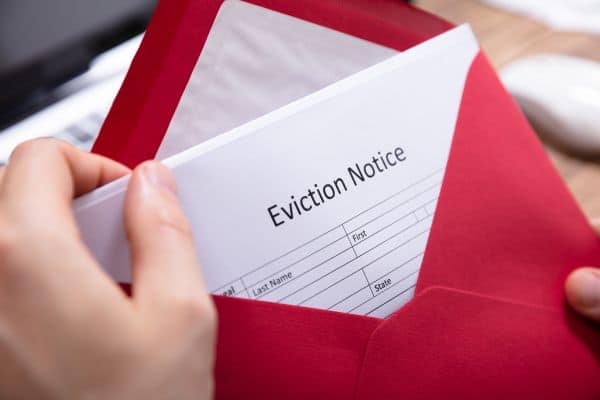
Yes, veterans can be evicted because the Servicemembers Civil Relief Act protects only those who are currently serving on active duty. Once military service ends, SCRA eviction protections no longer apply.
Only active duty servicemembers, along with their spouses, children, or dependents, are covered under this law. Veterans are subject to standard state and local eviction procedures just like any other tenant.
How to Evict a Military Tenant Who Is Not Paying Rent (Step-by-Step Guide)
Handling nonpayment when a tenant claims military status requires extra care. Courts take the Servicemembers Civil Relief Act compliance seriously, and skipping verification can lead to serious setbacks. The process must follow both state eviction procedures and SCRA requirements to remain valid.
Step 1: Verify Military Status Immediately
Before beginning any legal action, confirm whether the tenant is on active duty. The most reliable and court-accepted method is through the Servicemembers Civil Relief Act Centralized Verification Service (SCRACVS). This verification should always be completed before filing for eviction or requesting a default judgment.
Courts require a Military Affidavit that clearly states the tenant’s military status on a specific date. Without this affidavit, the judge cannot move forward with the case. Attempting to proceed without proper verification often leads to:
• Case dismissal or extended delays
• Rejection of court filings due to missing proof
• Potential civil or federal liability for violating SCRA protections
Verifying early through SCRACVS ensures that your case begins on firm legal ground. It also protects you from penalties and provides documentation that courts recognize nationwide.
Step 2: Serve Proper Notice of Nonpayment
Once verification is complete, the next step is to serve a formal notice of nonpayment according to your state’s landlord–tenant laws. Each state sets its own timeframe, commonly requiring a three, five, or seven-day notice period before you can file for eviction.
The notice must clearly outline the amount due, the deadline to pay, and the potential for court action if payment is not received.
Even if the tenant claims to be on active duty or deployed, you must still deliver the required notice. This step demonstrates compliance with both state law and the Servicemembers Civil Relief Act. Serving notice also establishes a record of good faith effort, which courts look for when reviewing eviction filings involving military tenants.
Step 3: File for Eviction in Court
When filing your eviction petition, you must attach a Military Affidavit obtained through the Servicemembers Civil Relief Act Centralized Verification Service (SCRACVS). This document verifies the tenant’s active duty status and provides the court with the exact date of verification.
Judges are required to review this affidavit before allowing any eviction to proceed. The court will determine whether the tenant’s military service has materially affected their ability to pay rent.
If the tenant is confirmed as active duty, the judge may grant a stay of proceedings, typically lasting ninety days or longer if circumstances warrant.
Submitting the affidavit ensures full SCRA compliance and prevents procedural delays. Courts often reject filings that lack verified proof of military status, so including this documentation upfront protects your case from dismissal or postponement.
Step 4: Court Determines SCRA Protections
Once the case reaches court, the judge reviews the tenant’s verified military status and determines whether active duty service has materially affected the ability to pay rent. This evaluation focuses on the tenant’s deployment schedule, income changes, or any other service-related factors that may have limited their financial capacity.
If the court confirms that the tenant is protected under the Servicemembers Civil Relief Act, several measures may follow, including:
• A 90-day stay on eviction proceedings
• Appointment of an attorney to represent the servicemember’s interests
• Additional time extensions if military duty continues to impact the situation
These safeguards are designed to prevent unfair hardship while the tenant fulfills military obligations. The court must balance the landlord’s right to payment with the servicemember’s legal protections, ensuring that any eviction complies fully with SCRA requirements.
Step 5: Proceed With Eviction if Tenant Is Not Protected
When the court confirms that the tenant is not on active duty, SCRA protections no longer apply, and the case moves forward under standard state eviction laws.
The landlord can continue the process following local procedures, including notice requirements, court filings, and lease termination rules. This ensures the eviction complies with both state law and civil procedure standards.
If the tenant is an active duty service member but the court finds that military service has not materially affected their ability to pay rent, the judge may still permit the eviction.
In such cases, the court determines that no meritorious or legal defense exists under the Servicemembers Civil Relief Act, allowing the landlord to regain possession of the property.
Step 6: Recover Unpaid Rent
After the court grants an eviction, landlords gain the right to collect unpaid rent and other lease obligations that remain outstanding. The Servicemembers Civil Relief Act does not erase debt; it simply delays enforcement while a judge reviews whether military service affected the tenant’s ability to pay.
Once the court issues its decision, landlords can take the following lawful actions:
• File for monetary damages to recover missed payments or property-related costs
• Submit a small claims case if the total falls within state limits
• Begin collection proceedings in accordance with state law and civil procedure
Any recovery effort must remain consistent with SCRA protections and local collection rules. Keeping complete records of court orders, tenants’ military status, and all payment history helps prevent disputes and ensures compliance throughout the process.
Step 7: Avoid Illegal “Self-Help” Actions
Taking matters into your own hands when a military tenant stops paying rent is never an option. Actions such as changing locks, removing personal items, shutting off power or water, blocking access to the property, or using threats violate the Servicemembers Civil Relief Act. These acts go against federal housing laws and state eviction procedures, exposing landlords to severe legal and financial penalties.
Courts consider this behavior a criminal violation when it disrupts an active duty service member’s right to safe housing. Consequences can include federal fines, possible jail time, and civil damages awarded to the tenant.
Why Landlords Must Never Skip Military Verification?
When a tenant claims military service, guessing their status can lead to serious legal trouble. Judges expect landlords to prove whether a tenant is on active duty before any eviction case moves forward. Missing or incomplete verification often causes courts to halt proceedings or dismiss cases entirely under the Servicemembers Civil Relief Act.
The Servicemembers Civil Relief Act Centralized Verification Service (SCRACVS) delivers verified, court-accepted results without needing a Social Security number or date of birth.
The process takes about twenty-four hours and produces a notarized affidavit ready for submission. Using SCRACVS ensures full compliance, prevents case delays, and protects landlords from unnecessary legal penalties or re-filings.
What If a Military Tenant Breaks the Lease Due to Deployment
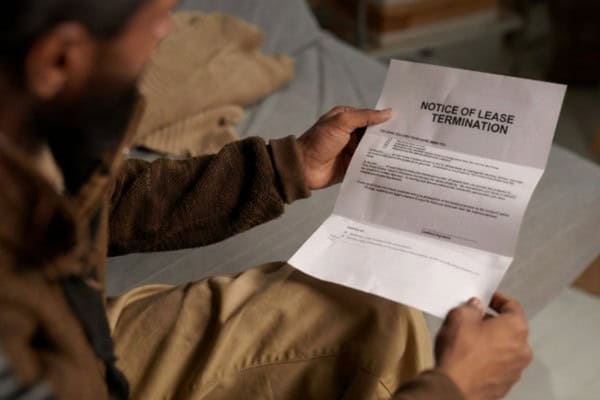
The Servicemembers Civil Relief Act gives active duty tenants the right to end a residential lease early when they receive official military orders. This protection applies to both deployment and Permanent Change of Station (PCS) assignments, allowing service members to relocate without being bound by a long-term rental agreement.
To terminate the lease lawfully, the tenant must provide:
• A written notice of intent to end the lease
• A copy of their military orders showing deployment or PCS reassignment
Once proper notice is received, the landlord must comply with federal law. That means:
• Returning the security deposit after verifying there are no damages beyond normal wear
• Ending rent obligations on the effective termination date
• Avoiding any attempt to withhold belongings or charge extra penalties
Following these steps keeps the landlord in full SCRA compliance, respects the tenant’s military service, and prevents potential civil penalties or disputes in court.
How Long Can a Military Tenant Delay Eviction?
Under the Servicemembers Civil Relief Act, courts can postpone eviction proceedings when military service affects a tenant’s ability to pay rent. The initial court-ordered stay usually lasts 90 days, though judges can grant additional time depending on the tenant’s circumstances.
When deciding whether to extend the stay, the court reviews several key factors, including:
• The tenant’s type of military service and current duty status
• The deployment location and how far it is from the rental property
• The expected return date or duration of active duty orders
• Whether the rent default is directly linked to the tenant’s service obligations
It’s important to note that the stay only delays eviction; it does not cancel or forgive unpaid rent. Once the stay expires, the landlord may continue the civil action in accordance with state law and the civil procedure governing SCRA compliance.
Verify Tenants’ Active Duty Status with Court-ready Affidavits
When a tenant mentions military service, assumptions can lead to costly errors. The Servicemembers Civil Relief Act gives genuine active duty service members powerful legal protections, but those rights apply only after their military status is officially verified. Skipping that step risks court rejection, financial penalties, and unnecessary legal complications.
SCRACVS makes the process simple and secure. It provides court-ready affidavits, delivers verified results in about 24 hours, and requires no Social Security number. Every report is accepted by courts across all fifty states, giving landlords the confidence to act lawfully and without delay.
Don’t risk your case on guesswork. Verify military status now through SCRACVS, the trusted choice for fast, compliant, and court-approved military verification.
FAQ
Can I evict a servicemember without going to court?
No. Under the Servicemembers Civil Relief Act, landlords cannot remove a military tenant without a court order. Any eviction involving active duty service members or their dependents must go through the legal process. Judges review whether military service has materially affected the tenant’s ability to pay rent before approving eviction. Attempting self-help actions, such as changing locks or cutting utilities, is a criminal violation under federal law.
How can I quickly verify if a tenant is in the military?
The fastest and most reliable option is the Servicemembers Civil Relief Act Centralized Verification Service (SCRACVS). It provides court-ready affidavits that confirm military status without needing a Social Security number or date of birth. Results are typically delivered within 24 hours and accepted by courts nationwide. Using SCRACVS helps landlords comply with SCRA protections, avoid default judgments, and prevent costly delays during civil proceedings.
Does SCRA protect dependents?
Yes. The Servicemembers Civil Relief Act extends certain legal protections to a servicemember’s spouse, children, and dependents who rely on that person for support. This means landlords must follow the same court-ordered eviction process for families living in a leased property while the service member is deployed or on active duty. These protections ensure that military dependents are not unfairly displaced during a period of military service.
Can I charge late fees to military tenants?
While the Servicemembers Civil Relief Act does not specifically ban late fees, landlords must follow state laws that govern rental agreements. If a service member’s military duty has materially affected their ability to pay rent, a judge may adjust or delay payment obligations under SCRA. Always issue a written notice and maintain proper documentation before assessing any additional fees to avoid civil action or monetary penalties.
Are deployed servicemembers allowed to break their lease?
Yes. Under SCRA Section 3955, active duty service members who receive deployment or Permanent Change of Station (PCS) orders can terminate a residential lease early. They must provide written notice and a copy of their orders. Once received, landlords must refund the security deposit, stop charging rent on the effective termination date, and avoid additional penalties. This protection helps military tenants meet their housing rights while fulfilling their duty obligations.