
What Charges Disqualify You From the Military? Find Out

The U.S. military upholds strict standards of moral conduct and physical readiness to maintain discipline and ensure operational safety. Before anyone is allowed to serve, every applicant undergoes a detailed criminal and medical background check. These evaluations help determine what disqualifies you from the military and ensure that only individuals capable of meeting the demands of service move forward in the enlistment process.
According to the Department of Defense Instruction 1304.26, all branches, including the Army, Navy, Air Force, Marine Corps, and Coast Guard, follow defined qualification standards to assess both moral character and medical fitness. These checks determine who can serve without restriction and who may require further review or a medical waiver.
This guide introduces the types of criminal and medical disqualifications that can affect enlistment and explains what future applicants and legal professionals should know before beginning the process.
Contents
- 1 Key Takeaways
- 2 Military Eligibility and Criminal Background Checks
- 3 Criminal Charges That Disqualify You from the Military
- 3.1 1. Felony Offenses
- 3.2 2. Domestic Violence Convictions
- 3.3 3. Drug-Related Offenses
- 3.4 4. Sexual Offenses and Misconduct
- 3.5 5. Crimes Against Children or Vulnerable Individuals
- 3.6 6. Multiple or Repeat Offenses
- 3.7 7. Dishonorable or Bad Conduct Discharge (Prior Service Members)
- 3.8 8. Fraudulent Enlistment
- 4 Medical Reasons That Disqualify You from Joining the Military
- 5 Waivers and Exceptions
- 6 Overview of Disqualifications
- 7 Conclusion
- 8 FAQs
Key Takeaways
- Violent and sexual offenses such as assault, rape, or child exploitation are permanent disqualifiers from military service and cannot be waived under any circumstances.
- Minor or older offenses may be reviewed for moral waivers depending on rehabilitation, conduct, and the specific branch’s standards.
- The Army National Guard is generally more flexible with waiver approvals, while the Air Force and Coast Guard apply the strictest moral and medical eligibility standards.
- Dishonorable discharges and fraudulent enlistment permanently prevent re-enlistment or future service opportunities.
- Chronic medical conditions, including heart disease, psychiatric disorders, and severe respiratory issues, can lead to medical disqualification when they limit unrestricted activity or require ongoing treatment.
- Medical waivers are far less common and require detailed documentation and approval from authorized medical officers.
- Together, these disqualification standards protect the safety, reliability, and operational strength of the U.S. military while allowing fair review for exceptional candidates.
Military Eligibility and Criminal Background Checks
Before beginning military service, every applicant undergoes a comprehensive FBI investigation and a review of their local law enforcement record. These checks determine whether a person meets the moral and eligibility requirements set by the Department of Defense and help identify what charges disqualify a person from the military. Recruiters look for honesty, discipline, and a history that reflects responsibility and readiness for unrestricted activity.
The background evaluation considers several factors, including the nature, frequency, and timing of each offense. An older, non-violent charge may be viewed differently than several convictions or recent incidents involving misconduct.
Applicants with a criminal record might still qualify, depending on the branch. For example, the Army National Guard may review a single episode of poor judgment on a case-by-case basis, while the Air Force and Coast Guard often enforce stricter moral standards.
Recruiters encourage full disclosure during this process. Attempting to hide information during a background check can lead to disqualification or even charges of fraudulent enlistment. Providing accurate details helps determine if a moral waiver is possible, allowing an applicant to move forward when the offense does not reflect ongoing behavioral issues.
Criminal Charges That Disqualify You from the Military

1. Felony Offenses
When it comes to military eligibility, the U.S. Armed Forces treat felony convictions with the utmost seriousness. Each branch relies on these standards to preserve moral integrity and ensure that recruits can uphold the discipline expected during training and while wearing military equipment.
A felony conviction often represents a major violation of moral character and typically results in medical disqualification from enlistment unless a rare waiver is approved.
Felony offenses include crimes such as aggravated assault, armed robbery, arson, burglary, murder, and manslaughter. These are classified as major misconduct violations because they threaten the safety of others and demonstrate disregard for authority. In the military, where teamwork, accountability, and trust are vital, such actions conflict directly with the principles of service.
In certain cases, applicants with non-violent or outdated felonies may request a moral waiver. These waivers are reviewed on a case-by-case basis, considering rehabilitation efforts, consistent employment, and community involvement. The Army National Guard is generally the most flexible when evaluating these requests, while the Air Force and Coast Guard maintain stricter approval standards.
Obtaining approval for a felony-related waiver requires compelling evidence of reform, strong character references, and a history of lawful behavior. Even then, acceptance is uncommon. The decision ultimately depends on whether the applicant can convincingly demonstrate readiness for military service and full compliance with the values that define the armed forces.
2. Domestic Violence Convictions
Few offenses close the door to military service as decisively as domestic violence. The U.S. military views these crimes as a serious breach of personal responsibility and moral character, particularly because they undermine the discipline and respect that military life demands.
Anyone convicted under the Lautenberg Amendment is permanently barred from possessing firearms, which automatically prevents participation in military training or deployment.
This law applies to any act of abuse, whether physical, psychological, or economic, directed toward a partner or family member. Because firearms are essential for most roles across all branches, individuals affected by this restriction cannot meet the eligibility requirements for military service. The inability to handle or operate military equipment due to a legal restriction automatically disqualifies an individual, and no waiver can overturn this disqualification.
Even a misdemeanor conviction in this category carries the same weight as a felony. The military does not differentiate between the two when the offense involves domestic violence. Recruiters emphasize that honesty is crucial during the background check, as withholding this information could result in further penalties and a permanent ban from enlistment.
3. Drug-Related Offenses
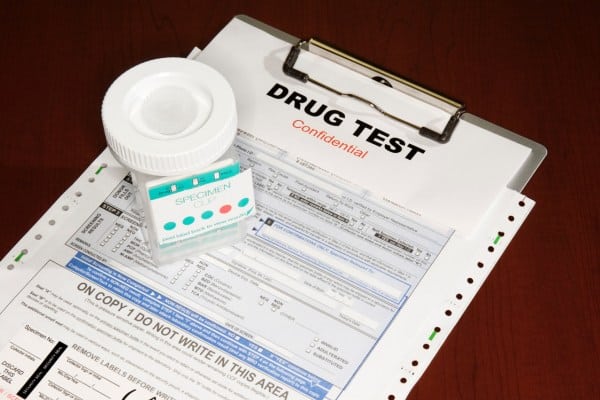
Drug offenses raise serious concerns about discipline and reliability, both essential traits for military service. The armed forces maintain a strict drug-free policy to ensure operational safety and trust within the ranks.
Severe crimes such as trafficking, manufacturing, or selling controlled substances are permanently disqualifying and cannot be waived. These offenses show a clear violation of the moral standards expected in service.
Minor cases, such as possession of a small amount of marijuana, may be reviewed on a case-by-case basis. The Army National Guard and other branches occasionally grant a moral waiver if the applicant can show that the incident was isolated and followed by a consistent drug-free lifestyle.
It is crucial to remember that federal law supersedes state marijuana legalization, so state-level approval does not affect enlistment eligibility. All branches, including the Air Force, Navy, and Marines, uphold zero tolerance for substance abuse. Applicants with a history of drug use may be asked to demonstrate sobriety or complete a rehabilitation program before reconsideration for military service.
4. Sexual Offenses and Misconduct
Among all criminal disqualifications, sexual offenses stand as some of the most serious barriers to military service. The U.S. military enforces strict moral standards, and offenses involving sexual misconduct directly conflict with the core values of honor, respect, and integrity that define service members.
Crimes such as rape, sexual assault, child exploitation, or indecent exposure are treated as permanent disqualifiers. Anyone convicted of these offenses is barred from enlistment without exception. These actions are considered incompatible with the trust and accountability required in close team environments where discipline and respect are essential.
Additionally, registration on a sex offender list automatically results in disqualification across all branches. There are no waivers or exceptions for these crimes, regardless of when they occurred. The military’s zero-tolerance stance reflects its responsibility to maintain a safe and respectful environment for all personnel while upholding the integrity of military service.
5. Crimes Against Children or Vulnerable Individuals
Few offenses violate the principles of duty and honor as deeply as crimes committed against children or other vulnerable individuals. The military holds its members to a higher moral standard, and any act that harms those unable to protect themselves is viewed as a complete failure of judgment and integrity.
Offenses such as child abuse, neglect, or endangerment fall under crimes of moral turpitude. These actions reveal a disregard for the values of respect, protection, and accountability that form the foundation of military life. Because such crimes contradict the ethical core of service, they result in immediate disqualification from enlistment.
Each branch treats these violations as permanent barriers to entry. No waivers are granted, and rehabilitation does not change eligibility. The military’s position on these crimes reinforces its commitment to upholding moral standards and ensuring that only individuals of proven character are granted the privilege of military service.
6. Multiple or Repeat Offenses
The military not only evaluates the seriousness of each offense but also looks for behavioral patterns that reveal consistency or lack of discipline. Repeated lawbreaking, even involving lesser crimes, signals a tendency toward misconduct and poor judgment, which contradicts the structure and accountability expected in military service.
A clear pattern of offenses often leads to disqualification. For example, individuals with five or more misdemeanors, four or more serious traffic violations within five years, or two or more major misconduct offenses, such as assault combined with theft, are deemed ineligible for enlistment.
While a moral waiver may be possible for minor or isolated infractions, repeat violations suggest deeper behavioral concerns that are inconsistent with the values of responsibility and self-control required in military environments.
| Record Pattern | Example Offenses | Eligibility |
|---|---|---|
| 1–2 misdemeanors | Disorderly conduct, petty theft | Possible with a waiver |
| 3–4 misdemeanors | Vandalism, resisting arrest | Requires waiver |
| 5+ misdemeanors | Repeated offenses | Disqualified |
| Major misconduct | Felony-level crimes | Non-waivable |
This structured evaluation ensures that enlistment remains open to individuals who demonstrate accountability and the ability to uphold military standards both in and out of uniform.
7. Dishonorable or Bad Conduct Discharge (Prior Service Members)

For prior service members, few barriers to reenlistment are as final as a dishonorable or bad conduct discharge. The military views these discharges as serious violations of trust and discipline, often reflecting behavior that undermined the mission, the chain of command, or the safety of fellow personnel.
A dishonorable discharge carries the same weight as a felony conviction in civilian life, leading to permanent disqualification from re-enlistment across all branches. This outcome signifies that the individual’s previous service ended due to misconduct severe enough to damage the integrity expected of military personnel.
Those who received an other-than-honorable (OTH) discharge may request a review, but such cases are rarely approved. Even when evaluated, applicants must present substantial evidence of rehabilitation and long-term good conduct. The military reserves re-enlistment for those who can consistently demonstrate reliability, respect for authority, and commitment to the core values of military service.
8. Fraudulent Enlistment
Integrity is the foundation of military life, and that principle begins the moment an applicant begins the enlistment process. When someone conceals or falsifies information about their past, including prior arrests or convictions, it is considered fraudulent enlistment under the Uniform Code of Military Justice (UCMJ). This offense violates both legal and ethical standards, eroding the trust essential to effective service.
Fraudulent enlistment can result in immediate discharge and, in some cases, lead to criminal prosecution. The discovery of withheld information, even years later, can result in severe consequences, including loss of benefits or permanent bans from re-enlistment.
Transparency during recruitment not only ensures fairness but also protects the applicant. Disclosing a criminal record upfront allows recruiters to determine if a moral waiver is possible and prevents later complications.
Full honesty demonstrates respect for the enlistment process and aligns with the accountability expected throughout military service.
Medical Reasons That Disqualify You from Joining the Military
Beyond moral and criminal standards, the U.S. military enforces strict medical requirements to ensure every service member can safely perform their duties under demanding conditions. The enlistment process includes a comprehensive medical examination to determine whether any condition might interfere with military fitness, limit unrestricted activity, or endanger others in the field.
Below are some of the most common medical conditions that can disqualify individuals from service.
1. Chronic Health Conditions
Chronic illnesses often require ongoing medication or outpatient treatment, which can be difficult to manage during deployment.
Conditions such as asthma, diabetes, epilepsy, and severe allergies may trigger unpredictable or life-threatening reactions in field environments. Applicants with asthmatic bronchitis, airway hyperresponsivity, reactive airway disease, or exercise-induced bronchospasm may experience chest tightness or breathing difficulties while wearing military equipment, which can affect their readiness and safety.
Even with modern treatment options, these health issues often prevent full participation in military service. While some cases may be reviewed on a case-by-case basis, individuals who rely on continuous medication or face risks of sudden medical emergencies are generally considered unfit for unrestricted duty.
2. Heart, Blood, and Vascular Disorders
The military places great emphasis on endurance and cardiovascular strength, which are essential for military fitness and survival in high-stress environments, especially for those with conditions like congestive heart failure. Applicants with heart, blood, or vascular system disorders face higher risks during physical exertion, making these conditions serious enlistment concerns.
Common disqualifying conditions include congenital heart defects, a history of heart attack, chronic heart failure, or diseases such as leukemia and sickle cell disease. These disorders can cause fatigue, dizziness, or recurrent syncope, all of which jeopardize an individual’s ability to complete training or handle military equipment safely.
While some mild abnormalities may be reviewed on a case-by-case basis, most applicants with these conditions receive a medical disqualification to prevent life-threatening complications during service.
3. Neurological and Psychiatric Disorders
The military demands emotional stability, cognitive focus, and resilience under pressure. Neurological and psychiatric disorders can interfere with decision-making, reaction time, and the ability to handle stress, which are essential for safe and effective performance during military service.
Disqualifying conditions include schizophrenia, bipolar disorder, severe depression requiring medication, a history of suicidal thoughts or actions, and neurodegenerative diseases such as ALS or multiple sclerosis. Individuals currently managing anxiety requiring medication, ongoing anxiety symptoms, or other chronic psychiatric conditions may also be disqualified due to the unpredictable nature of these disorders during deployment or training.
Cognitive and developmental conditions such as attention deficit or hyperactivity disorder, or learning disabilities that impair perceptual or academic skills past the age of fourteen, can affect a recruit’s ability to complete required training.
Those who have used medication to manage ADD or ADHD within the last 24 months typically need further evaluation or may face medical disqualification depending on the severity and stability of their symptoms.
4. Musculoskeletal Disorders
Physical endurance and full mobility are essential for performing duties that often involve carrying gear, running, and completing rigorous field tasks, as candidates must be free from issues such as stress fractures. Musculoskeletal disorders that affect balance, coordination, or flexibility can interfere with these abilities, making it unsafe to handle military equipment.
Conditions such as thoracic scoliosis greater than the accepted limit, surgical or congenital fusion of the spine, limb loss, or significant joint dysfunction frequently lead to medical disqualification. Even when corrected through surgical correction or therapy, residual pain or stiffness can still prevent recruits from meeting military fitness requirements.
In some situations, medical evaluators may review an applicant’s mobility and strength to determine if they can safely perform all duties without restriction. Only when a candidate demonstrates complete recovery and sustained physical capability are exceptions occasionally considered.
5. Vision and Hearing Impairments
Strong sensory awareness is crucial for effective communication, coordination, and safety in active-duty environments. Applicants with significant vision or hearing impairments may struggle to respond quickly to commands or operate complex military equipment, which can compromise both personal and team safety.
Conditions such as complete blindness in one eye, chronic hearing loss, a perforated eardrum, external ear issues, or recent surgery to correct perforation within 180 days before the physical exam usually result in medical disqualification. Recruits who rely on hearing aids or have difficulty distinguishing colors due to a color vision defect may also be considered unfit for enlistment.
Because these sensory skills are crucial for tasks like navigation, communication, and identifying visual signals in the field, the military enforces strict eligibility requirements. Only applicants with reliable and stable sensory function can meet the operational standards of military service safely.
6. Gastrointestinal and Endocrine Disorders
Maintaining steady health and energy levels is crucial for military fitness and readiness. Applicants with severe gastrointestinal or endocrine disorders often face challenges that conflict with the demands of military service, especially when their condition requires constant monitoring or access to special medical resources.
Severe gastrointestinal diseases such as irritable bowel syndrome (IBS), Crohn’s disease, or other issues affecting the abdominal organs can lead to unpredictable pain or fatigue during training.
Endocrine conditions affecting the thyroid or adrenal glands can also lead to hormonal imbalances that impact endurance and focus. When these illnesses require medication that needs refrigeration or consistent dosage, they become difficult to manage in field conditions.
Since operational environments often lack facilities for specialized care, applicants who require strict dietary control or temperature-sensitive medication are typically disqualified medically. These standards ensure that only individuals capable of performing without restricted activity meet the eligibility requirements for enlistment.
7. Other Serious Medical Conditions

Certain severe health issues make it impossible to meet the physical and environmental demands of military service. These conditions often require ongoing care, frequent monitoring, or medications that limit unrestricted activity, factors incompatible with deployment or combat readiness.
Applicants with organ transplants, active cancer, or cystic fibrosis are generally issued a medical disqualification because these illnesses can cause fatigue, immune suppression, or breathing complications under stress.
Similarly, chronic respiratory issues requiring oxygen or treatment with oral corticosteroids or systemic retinoids interfere with a person’s ability to complete intense physical tasks or handle military equipment safely.
Although each case is carefully reviewed by medical evaluators, conditions that require continuous supervision, such as orthodontic care or specialized care, prevent recruits from maintaining full independence during duty. These standards protect both the individual’s health and the safety of the broader unit.
Overview of Common Medical Disqualifications
| Category | Examples | Reason for Disqualification |
|---|---|---|
| Chronic Diseases | Asthma, Diabetes | Unpredictable attacks and reliance on continuous medication or outpatient treatment |
| Psychiatric Disorders | Bipolar Disorder, Schizophrenia, Severe Depression | Impaired judgment and difficulty maintaining stability under stress during military service |
| Musculoskeletal | Thoracic scoliosis greater than the accepted range, Limb loss, Joint dysfunction | Restricted movement and inability to safely operate military equipment |
| Sensory Loss | Blindness, Deafness, Color vision defect, Hearing aids | Increased safety risk during missions or while performing coordinated tasks |
| Organ-related | Organ transplant, Active cancer, Cystic fibrosis | Ongoing treatment needs and limited ability to sustain military fitness |
Waivers and Exceptions
In certain circumstances, individuals who do not fully meet enlistment standards may still qualify through a waiver. A waiver is an official review that allows a recruiter or commanding officer to consider applicants with specific disqualifying factors if they demonstrate rehabilitation, stability, or the ability to perform duties safely.
Moral waivers apply to issues such as minor criminal offenses or limited legal violations. They are evaluated by senior military officials who assess the applicant’s conduct, references, and overall character to determine whether the behavior was isolated or part of a recurring pattern.
Medical waivers, on the other hand, are far more restricted. These require complete documentation from licensed physicians and a thorough review by military medical authorities. Conditions that pose ongoing risks, require outpatient treatment, or prevent unrestricted activity are rarely approved.
Waiver Flexibility by Branch
| Branch | Moral Waivers | Medical Waivers | Strictness Level |
|---|---|---|---|
| Army | Moderate | Reviewed individually | Moderate |
| Navy | Limited | Reviewed individually | Strict |
| Air Force | Rare | Rare | Very strict |
| Marines | Rare | Very limited | Strict |
| Coast Guard | Almost none | Very limited | Very strict |
Overview of Disqualifications
The U.S. military evaluates each applicant based on both moral conduct and physical readiness. Certain offenses and conditions lead to automatic disqualification, while others may be reviewed through a waiver process depending on their severity and context.
The table below provides a concise overview of the most common reasons applicants are deemed ineligible and whether a waiver may be considered.
| Disqualification Category | Examples | Waiver Possible? |
|---|---|---|
| Felony Offenses | Murder, Assault, Arson | No |
| Domestic Violence | Lautenberg Amendment restrictions | No |
| Drug Crimes | Trafficking, Repeated Use | Rarely |
| Sexual Offenses | Rape, Misconduct | No |
| Medical Conditions | Chronic or Severe Illness | Reviewed individually |
| Dishonorable Discharge | Prior service misconduct | No |
| Fraudulent Enlistment | Providing false information | No |
This framework enables recruiters and evaluators to maintain consistent standards across all branches, while allowing for limited flexibility in exceptional cases where rehabilitation or recovery can be clearly demonstrated.
Conclusion
Joining the U.S. military is not simply about meeting requirements, it is about embodying the values of discipline, accountability, and moral strength that define the armed forces. Every applicant is evaluated with the same objective to ensure that those who serve can be trusted to uphold the integrity and readiness of their unit.
Offenses involving violence, sexual misconduct, or drug trafficking remain permanent disqualifiers, as they conflict with the foundation of respect and responsibility that military life demands. Yet, not all mistakes carry the same weight. Older or minor offenses may be reviewed through moral waivers, giving individuals who have demonstrated rehabilitation a fair opportunity to serve.
The same principle applies to health standards. Medical disqualifications are not meant to exclude but to protect. Conditions that limit endurance or depend on constant treatment can endanger both the individual and their fellow service members.
Together, these moral and medical standards safeguard the effectiveness, reliability, and ethical strength of the nation’s armed forces. They ensure that every person in uniform is fully prepared physically, mentally, and morally to meet the demands of military service with honor and resilience.
FAQs
Can You Get On A Military Base With A Misdemeanor Charge?
Access to a military base depends on the details of your criminal record and the results of a background check. A single misdemeanor that does not involve violence or moral misconduct may not automatically lead to disqualification; however, repeated offenses can raise concerns about an individual’s moral character.
Security officials assess each case individually, reviewing rehabilitation efforts, eligibility requirements, and honesty during the evaluation process. In some cases, individuals may be granted access or enlistment approval after a recurrent evaluation verifies consistent behavior and compliance with military service standards.
Can I Join The Military If I Have Pending Charges?
Applicants with pending charges are not eligible to begin military service until all legal matters are resolved. The armed forces require a completed background check and court documentation before determining eligibility. Recruiters must know the final outcome to decide whether the case involves behavior that fits under what disqualifies you from the military. Once charges are dismissed or settled, the decision depends on the severity, pattern, and age of the offense. Only after full resolution can applicants request further review or a moral waiver if allowed by their chosen branch.
Can The Military See Dismissed Charges?
Yes, the military can access dismissed or sealed charges through federal and state background investigations conducted by the FBI. These checks are part of the enlistment process that determines eligibility requirements for new recruits. Although dismissed charges may not automatically lead to disqualification, failing to disclose them can result in fraudulent enlistment under the UCMJ. Being transparent allows recruiters to evaluate your record fairly and consider a moral waiver if the situation shows rehabilitation and good conduct. Honesty throughout the process strengthens credibility and builds trust with recruiters.
Can You Join The Military With A Felony?
A felony conviction is one of the strongest factors that can disqualify individuals from military service. Offenses like aggravated assault, arson, or robbery fall under major misconduct, and they rarely qualify for waivers.
Some branches, such as the Army National Guard, may review older or non-violent cases, but approval is rare and depends on strong evidence of rehabilitation. The Air Force and Coast Guard are far more restrictive. Each decision is made carefully to preserve discipline, reliability, and moral integrity within the ranks.
Can You Join The Military With A Misdemeanor?
Having a misdemeanor does not always mean automatic disqualification. Recruiters assess the nature, frequency, and timing of the offense to decide whether it reflects a consistent pattern of poor conduct. Minor offenses like traffic violations or petty theft may be considered for a moral waiver if there is evidence of rehabilitation and stability.
However, crimes involving violence, theft, or dishonesty are taken more seriously. Every branch applies its own eligibility requirements, but all maintain that integrity and accountability are essential for military service.
What Military Branch Accepts Felons?
Among all branches, the Army National Guard tends to show the most flexibility when reviewing felony-related moral waivers, while the Air Force and Coast Guard are the strictest. Even so, waivers for serious crimes are rare and only considered under exceptional circumstances.
Each branch conducts an in-depth background check and recurrent evaluation to assess whether the applicant’s criminal record aligns with eligibility requirements. A proven record of rehabilitation, community service, and consistent lawful behavior can improve the chances of review, but most felony convictions remain permanent disqualifiers from military service.