
Soldier Says Her Mortgage Servicer Certified She Wasn’t Serving, Twice, Even After She Filed Her Orders
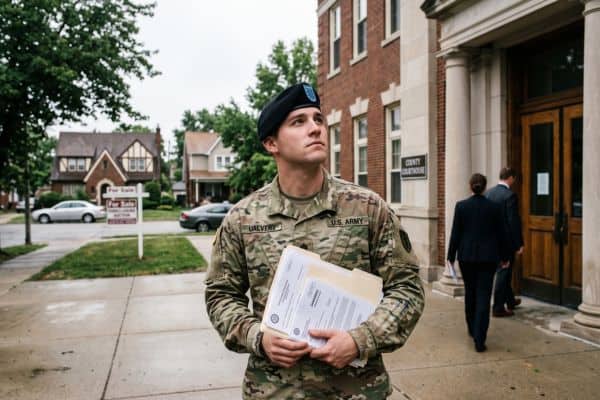
An active-duty soldier has sued her mortgage servicer and its foreclosure counsel, saying they told a court she was not in the military even after she handed the court her military orders.
The suit was filed July 8, 2026, in the U.S. District Court for the District of New Jersey, according to a report in Mortgage Professional America. The borrower says she has been on active duty since April of 2017. She also holds a security clearance. In this matter, she is representing herself.
By her account, she took out a VA-backed loan for an estimated amount of $263,000 in February 2022. The loan moved to Freedom Mortgage in July 2023. In March 2025, the servicer’s foreclosure counsel started a foreclosure in state court.
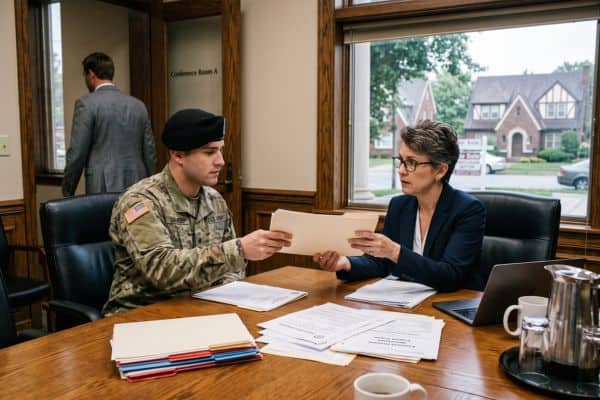
The Servicemembers Civil Relief Act requires a lender seeking a judgment to file a sworn statement proving whether the borrower is in the military, and to back it up with supporting information. However, a database result should not be treated as the end of the inquiry when other information calls that result into question.
The complaint says the servicer’s counsel certified in October 2025 that the borrower was not serving. The state court entered a foreclosure judgment against her that November. She then reopened the case and put authenticated military orders in front of the court. Even so, the suit says, a second sworn statement was filed in June 2026 that again said she was not serving. That second statement, the complaint says, was based only on a search of the Defense Department’s manpower database. The complaint also says the database report itself instructs requesters to confirm status with the person’s service branch when active duty is claimed.
The complaint calls the second certification deliberate, because it came after the borrower had already given the court her orders.
The case makes two other claims. The suit says Freedom Mortgage never showed it holds the promissory note, raising the possibility that the loan sits in a Ginnie Mae pool and that the servicer lacks standing to foreclose in its own name, and it says the servicer did not finish the loss-mitigation review the VA requires before filing. The borrower also states that on or about July 3, 2026, she came home to find the locks changed. No sheriff’s sale or court order were provided prior. She is asking for damages, the judgment to be discarded, and to have access to the home restored.
None of the allegations have been proven. No judge has ruled.

The Point for Anyone Who Uses a Status Check
Set the specific defendants aside. The part of this case that matters for lenders, servicers, and their lawyers is what the borrower states happened after she produced her orders.
A database result answers one narrow question at one moment, and it can miss people who are in fact serving. So when you already know something that does not match the database result, you cannot stop at the database. You have to verify status directly with the Department of Defense or with the branch or agency the person may be tied to.
If the database says a person is not in the military, but that same person has given you orders showing they are, you cannot pick the answer you like and swear to it. You look into the conflict first.
This is not only about foreclosures. Say you have repossessed a car and the status check comes back with no match. If there are fresh military stickers on the door, or a uniform hanging in the back seat, those facts should put you on notice that the person may have protections under the law, whatever the database said that day. Ignoring those warning signs may make it harder to characterize continued reliance on the database result as an innocent mistake.
The lesson is short. Run the check and keep the result, but read it against what you already know about the borrower, the account, and the property. If the two do not agree, keep asking until you have a real answer.