
What Landlords Should Do When a Tenant Damages Property? Guide
Property damage in a rental property can unsettle any landlord because it interrupts rent collection, delays the process of finding a new tenant, and often incurs unexpected repair expenses. Issues range from faded paint or nail holes to broken windows or major destruction that affects the entire rental unit. Each situation demands quick attention so you can document the condition, communicate with the tenant, and protect your legal rights.
The outcome depends on whether the issue is normal wear and tear or tenant-caused damage, since that distinction determines how you may seek compensation. Clear documentation matters even more when a tenant claims active duty status, because federal protections may influence the timing of legal action but do not excuse a tenant from responsibility for property damage.
This guide walks you through the essential steps to assess property damage, address disputes, and move forward responsibly.
Contents
- 1 Key Takeaways
- 2 What to Do if a Tenant Damages Your Property (Step-by-Step)
- 2.1 1. Document Every Instance of Damage Immediately
- 2.2 2. Review the Lease Agreement and Identify Relevant Clauses
- 2.3 3. Notify the Tenant in Writing With a Formal Damage Notice
- 2.4 4. Determine Whether the Damage Qualifies for Security Deposit Deduction
- 2.5 5. Send a Demand Letter if the Tenant Refuses to Pay or Fix the Damage
- 2.6 6. Verify the Tenant’s Military Status Before Taking Legal Action
- 2.7 7. Understand SCRA Protections and When They Do NOT Apply
- 2.8 8. File in Small Claims or Housing Court if Costs Exceed Deposit
- 2.9 9. Implement Preventive Measures for Future Tenancies
- 2.10 Damage Type vs Landlord Response
- 3 Protect Your Property and Stay SCRA Compliant
- 4 FAQs
- 4.1 How can a landlord prove a tenant caused property damage?
- 4.2 What counts as normal wear and tear versus tenant-caused damage?
- 4.3 Can a landlord sue a tenant for property damage in small claims court?
- 4.4 Does the SCRA protect military tenants from paying for property damage?
- 4.5 Do landlords need military verification before evicting a tenant for property damage?
- 4.6 Are landlords allowed to evict a military tenant for damaging property?
Key Takeaways
- Landlords must document all property damage immediately using photos, videos, and written descriptions.
- Written communication to the tenant referencing specific lease clauses is essential for legal protection.
- Security deposits can be used only for documented damage beyond normal wear.
- SCRA protections do not excuse servicemembers from paying for damage they cause.
- Landlords must verify a tenant’s military status before filing an eviction or legal action.
- Self-help methods like lockouts, shutting off utilities, or removing belongings are illegal, especially with military tenants.
- Preventative measures such as inspections, renters’ insurance, and detailed lease clauses reduce long-term risk.
What to Do if a Tenant Damages Your Property (Step-by-Step)
1. Document Every Instance of Damage Immediately
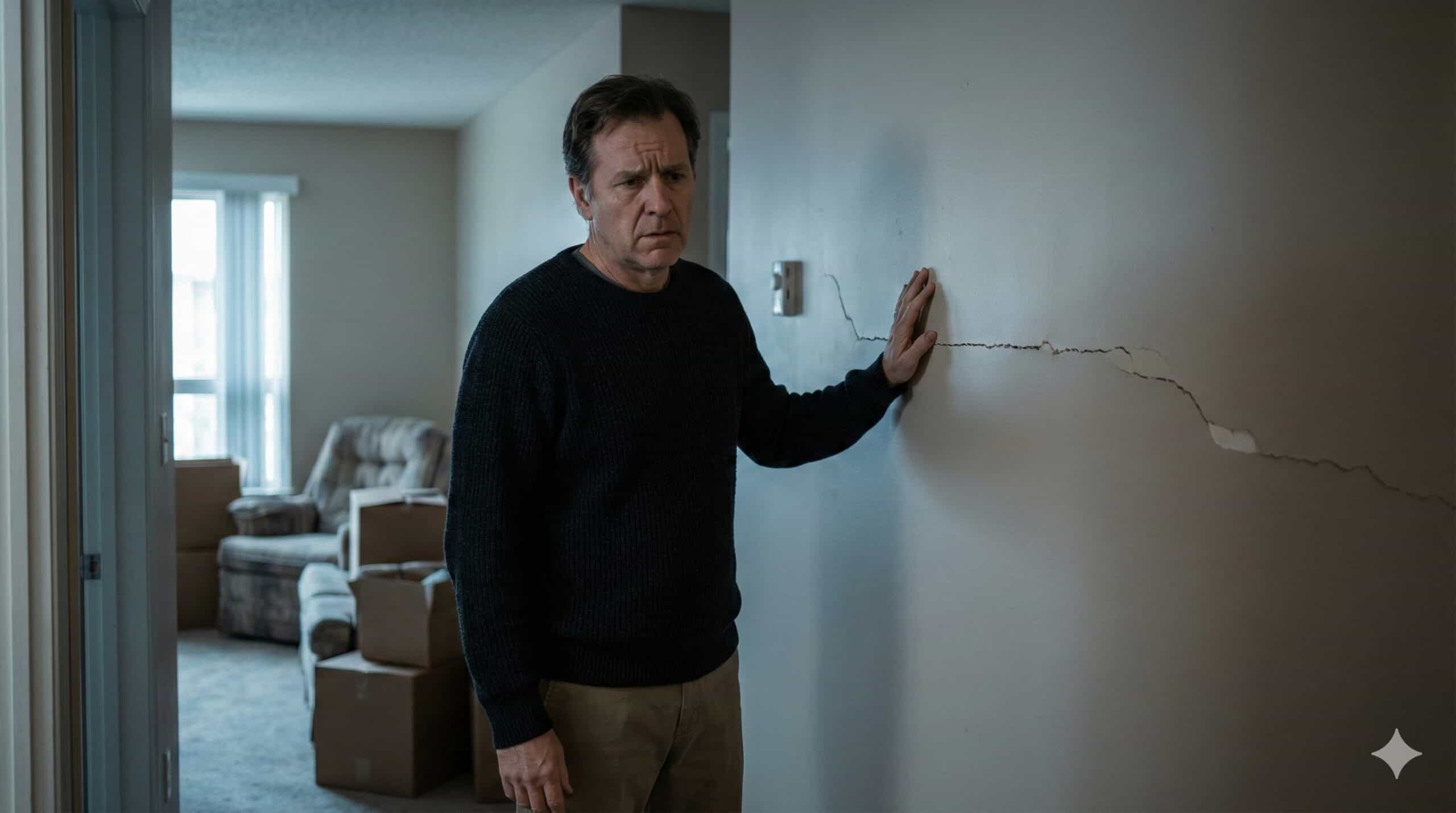
A prompt record of tenant damages is the strongest protection a landlord can have, especially when the rental property shows signs of more than normal wear.
Your goal is to establish a timeline and confirm whether the issue resulted from tenant neglect or normal wear and tear. Early documentation also prepares you for security deposit disputes, insurance claim filings, or small claims court.
Begin with clear photographic evidence. High-resolution photos reveal details that matter when a tenant damages property, such as broken windows, ruined flooring, or appliances that no longer function. Capture both close-up images and wider views so that the condition of the rental unit is unmistakable.
Video offers valuable context when the tenant damages property in multiple areas or when you need to demonstrate the movement of water, smoke, or structural issues. Pair this with notes that identify the date, the person who discovered the tenant property damage, and the room where it occurred.
Next, compare everything to your move-in inspection checklist. This step connects the original condition to the current state and supports lease agreement clauses that define the tenant’s responsibility for damage. It also helps you determine whether the damage exceeds the tenant’s security deposit amount.
For repairs that appear costly, request written estimates from licensed contractors. These reports support:
- Deducting repair costs from the security deposit
- Filing an itemized list if a tenant refuses to cooperate
- Establishing repair expenses that justify legal action
- Proving that repair damages exceed one month’s rent
Contractor estimates also assist your insurance agent when the property owner needs coverage for significant damage.
Strong documentation becomes essential if the tenant moves unexpectedly or if you later need a police report for serious incidents. Every detail you collect strengthens your position under local laws and helps you avoid labeling damage as intentional without evidence.
2. Review the Lease Agreement and Identify Relevant Clauses
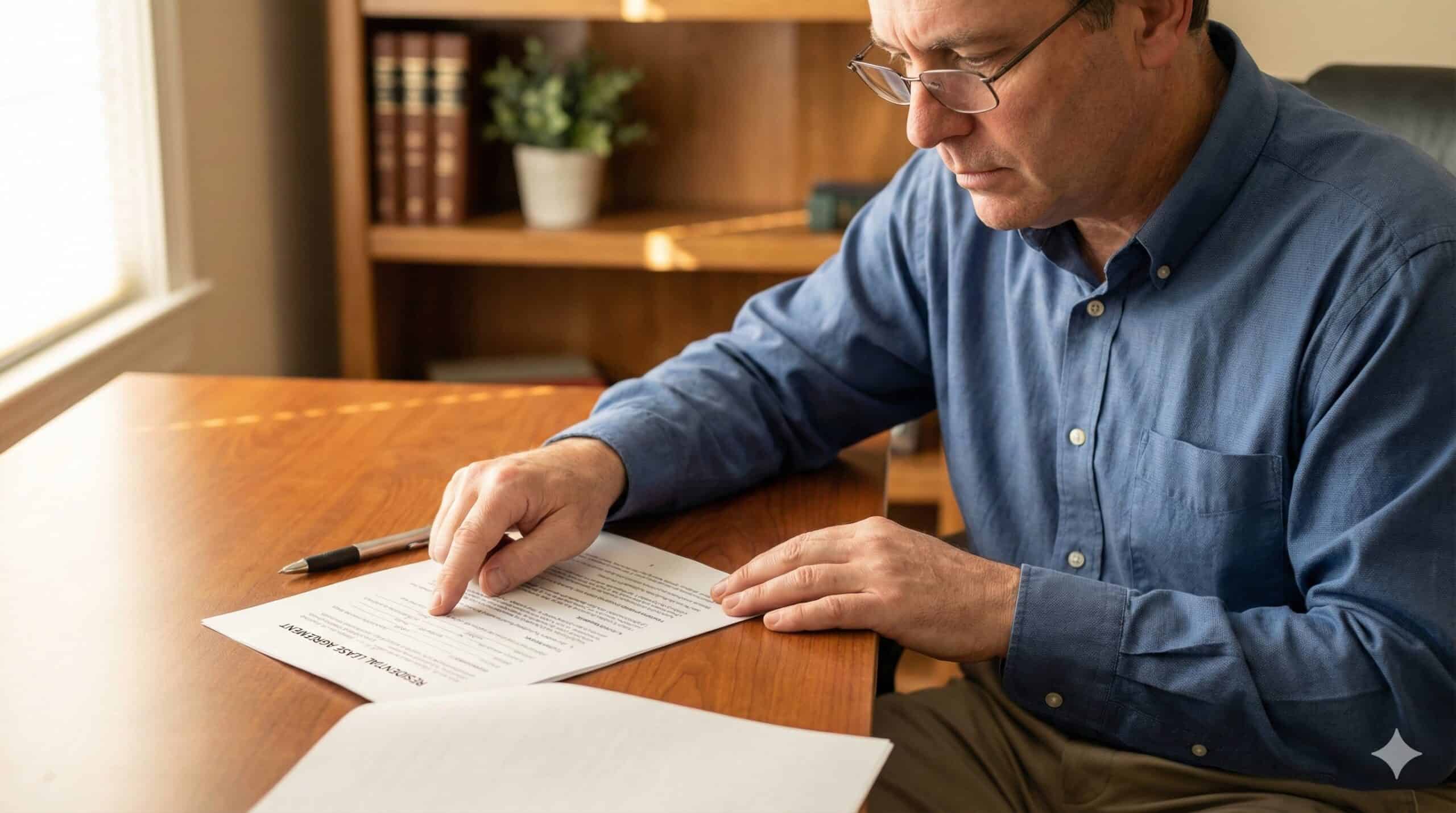
Begin by reviewing the lease agreement and identifying the clauses that address property care, pet responsibility, repairs, and prohibited activities. These sections outline the tenant’s responsibility for maintaining the rental unit and help you decide whether the situation involves normal wear or tenant-damaged property.
Referencing exact clauses strengthens every communication you send. It informs the tenant of the applicable terms and provides clarity if the dispute later reaches small claims court or involves legal action. Judges often expect to see a direct connection between the damage and a specific rule in the rental agreement.
As you compare the lease to your documentation, separate normal wear and tear from excessive damage. Normal wear and tear includes paint fading or mild carpet thinning. Excessive damage involves holes in walls, destroyed flooring, broken appliances, or any issue that exceeds the normal wear and tear of aging.
State law determines what landlords may charge tenants, so your notes and photos must show how the tenant caused damage to the property. Clear evidence supports deductions from the tenant’s security deposit and confirms whether repair damages exceed the security deposit amount.
A detailed agreement eliminates confusion. Encourage landlords to include specific damage clauses so property owners, property managers, and good tenants understand expectations long before a problem arises.
Strong terms also support property management decisions when repair costs rise or when a landlord must seek compensation for tenant damages.
3. Notify the Tenant in Writing With a Formal Damage Notice
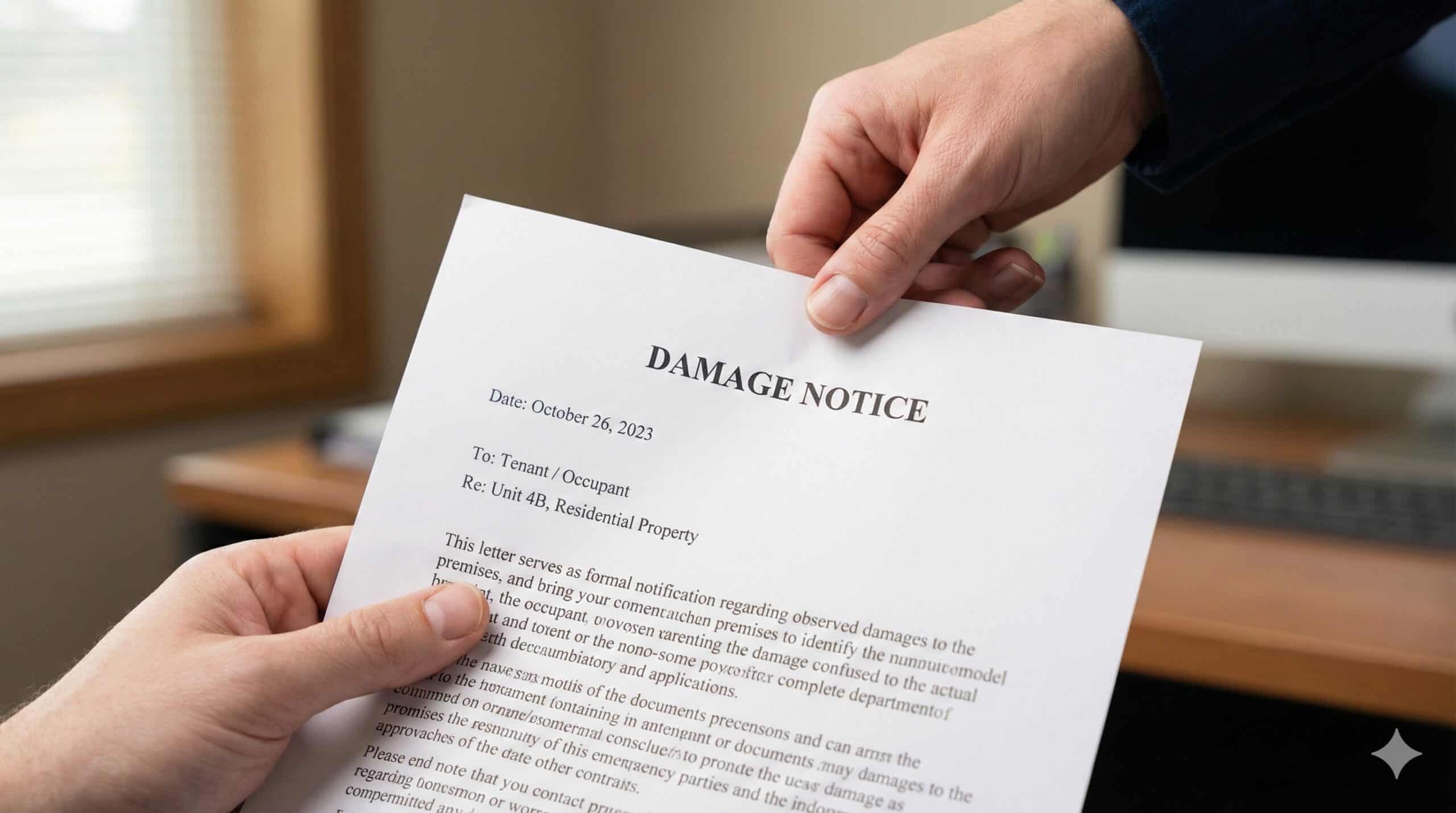
After reviewing your records and confirming that the issue involves tenant-damaged property, the next step is to send a written notice. Courts require written communication for both ordinary tenants and military tenants, so this letter becomes a key part of your file if the situation progresses toward eviction proceedings or small claims court.
Your notice should describe the property damage and include the date it was discovered. Many landlords include a line such as:
‘On October 3, large holes were found in the hallway wall, which conflicts with Section 8 of your lease that requires tenants to maintain the property condition.’
This type of statement anchors the notice to a specific lease clause and shows how the tenant caused damage to the rental unit. Photos should be attached or referenced so that the tenant sees exactly what was recorded and how it relates to their responsibilities under the lease agreement.
Once the issue is outlined, explain the expected repair cost or the next steps you intend to take. Tenants must receive a reasonable response window, usually three to ten days, depending on state law. A clear deadline demonstrates that you are allowing the tenant to correct the problem or provide information before repair damages are deducted from the tenant’s security deposit amount.
Every message, email, and written notice should be saved for future reference.
Courts rely heavily on communication records to confirm whether the tenant refused to respond, attempted to correct the issue, or ignored requests. Careful storage of all correspondence strengthens your position if legal action becomes necessary.
4. Determine Whether the Damage Qualifies for Security Deposit Deduction
Evaluating whether tenant damages qualify for a security deposit deduction begins with understanding how the law limits the use of these funds.
Security deposits may only cover excessive or intentional damage, unpaid rent, or major cleaning costs that extend beyond normal wear and tear. This means the deduction must match a clearly documented issue, not routine aging of the rental property.
Start by comparing your photos and videos to the move-in inspection. This helps you determine whether the condition reflects normal wear and tear or tenant-caused damage. Examples that typically qualify include pet-damaged carpet, a broken window, or damaged furniture in a furnished rental unit. These issues interfere with property maintenance and often require professional repair before a new tenant can move in.
Once you confirm that the damage qualifies, prepare an itemized list. Most states require landlords to send this list within a 14 to 30-day window, depending on local laws.
Your itemization should include:
- The type of tenant-caused damage
- The repair costs based on contractor estimates
- Any remaining balance from the tenant’s security deposit
If repair costs exceed the security deposit amount, you may pursue the difference in small claims court. This option is common when repair damages exceed one month’s rent or when significant damage prevents prompt rent collection.
State-specific timelines and itemization rules shape the entire process, so landlords should review them before sending notices or deducting repair costs. Consistency protects your legal rights and supports your decision if the tenant refuses to accept responsibility.
5. Send a Demand Letter if the Tenant Refuses to Pay or Fix the Damage
If the tenant refuses to address the problem or declines to cover the repair expenses, the next step is to send a formal demand letter. Many states require this letter before a landlord can initiate legal action, making it an essential document for both ordinary tenants and military personnel.
A well-written letter also demonstrates that you attempted to resolve the dispute before pursuing remedies in small claims court.
Your demand letter should include:
- Repair invoices that reflect the actual cost
- Contractor estimates that confirm the scope of the work
- Photos that show the tenant caused damage
- A reference to the specific lease violation
- A clear statement of what you are requesting
- A reasonable deadline for payment or corrective action
These details help the tenant see exactly how the charges were calculated and why the issue goes beyond normal wear and tear. Presenting this information clearly often encourages a resolution without court involvement.
The letter also sets expectations for the future. It outlines the current problem, the supporting documentation, and the steps the landlord intends to take if the matter remains unresolved. This approach avoids assumptions about intent and keeps the communication focused on the lease agreement and the tenant’s responsibility under state law.
For military tenants, the letter should also request proof of military status if it has not been provided. Verification is necessary before any action that may impact eviction proceedings or timelines related to legal action.
6. Verify the Tenant’s Military Status Before Taking Legal Action
Once you determine that legal action may be necessary, the next step is to verify the tenant’s military status. This matters because SCRA protections apply only to confirmed active duty servicemembers and qualifying dependents, not to tenants who claim to be military. Verification becomes the foundation for every subsequent decision.
As you prepare your documents, remember that courts require verified military status before they allow an eviction or issue a default judgment. This requirement protects tenants with genuine active-duty obligations, while also protecting landlords from violating federal law. A structured verification process prevents penalties and avoids unnecessary delays in eviction proceedings or claims for tenant-caused damage.
Verification also resolves situations where a tenant claims military status to stall legal action. A false claim does not trigger SCRA protections and may be treated as fraud. Confirming status early ensures that your case moves forward based on accurate information.
To complete this step efficiently, SCRACVS offers the most reliable method to verify active duty status through official DMDC-backed reports. Courts accept these reports, support rent collection efforts, and document that you met all legally required steps before pursuing further remedies.
With verification complete, landlords can proceed confidently, knowing the process aligns with federal rules and protects both the rental property and their legal rights.
7. Understand SCRA Protections and When They Do NOT Apply
Once military status is verified, the next step is to determine how SCRA protections affect your response. These rules are important, yet they do not prevent landlords from seeking compensation when a tenant causes property damage or violates a rental agreement.
SCRA offers protection against eviction for nonpayment when the monthly rent is below the federal threshold, which is currently about $10,239.63. This safeguard applies only to payment issues.
It does not cover:
- Property destruction
- Material lease breaches
- Damage to rental properties that goes beyond normal wear and tear
This means that a servicemember remains responsible for repair costs, unpaid rent, and any financial consequences resulting from tenant-caused damage.
Courts may delay proceedings for verified active duty members, but the delay does not erase liability. The pause simply gives the tenant time to participate. Once the delay ends, the case continues normally, and the landlord may still seek compensation.
Before an eviction or judgment can proceed, courts require a military status affidavit. This confirms whether SCRA procedures apply. If the tenant is on active duty and does not appear, the court may appoint a guardian ad litem to represent them.
Key reminders for landlords:
- SCRA does not excuse property damage or protect tenants who destroy property
- Financial responsibility remains even if the case is delayed
- Verification and affidavits are legally required for every eviction or judgment
- Courts provide representation only when the tenant is verified as active duty
Throughout the process, avoid self-help eviction tactics such as lockouts or shutting off utilities. These actions can violate state and federal rules and lead to significant penalties. A structured, compliant approach protects your legal rights and positions the case correctly for the steps that follow.
8. File in Small Claims or Housing Court if Costs Exceed Deposit
When repair costs exceed the tenant’s security deposit amount, the next step is filing a claim in small claims court or housing court.
Landlords may pursue the remaining balance for property damage, lost rent, and any additional repairs needed to prepare the rental unit for the next tenant. Courts expect a clear and organized case, so your documentation must be complete and easy to follow.
Your evidence should include:
- Photos and videos showing the tenant caused damage
- Written notices sent to the tenant
- Contractor estimates and repair invoices
- Relevant lease agreement clauses
- Communication logs that show attempts to resolve the issue
This documentation helps the judge see that the damage goes beyond normal wear and supports your request for compensation.
For military tenants, filing requires an SCRA affidavit. This confirms the tenant’s military status and ensures the court follows all federally required steps.
If the tenant is on active duty, the judge may grant a 90-day stay when military service prevents the tenant from appearing. These delays protect servicemembers but do not remove their responsibility for repair costs or unpaid rent. Damage-related cases remain enforceable even when timelines shift.
Courts view property damage differently than standard nonpayment cases. A delay may occur, but the tenant still owes the full amount once the case resumes.
Because these cases involve both landlord-tenant law and federal SCRA requirements, it is wise to consult counsel familiar with both areas. Good guidance ensures that your filing is compliant, complete, and positioned for a successful outcome.
9. Implement Preventive Measures for Future Tenancies
Once the current matter is resolved, the next step is creating safeguards that reduce risk in future rentals. Preventive measures help protect the rental property, improve tenant relationships, and strengthen your position in the event of future damage.
Routine inspections are one of the most effective tools. Provide a 24 to 48-hour notice and document each visit.
These checks help you catch issues early, such as:
- Water leaks
- Pet-related damage
- Neglected routine maintenance
- Structural changes the tenant did not report
A consistent screening process also improves long-term outcomes. Evaluating credit reports, eviction history, and criminal checks helps identify applicants who may pose a higher risk. Strong screening supports stable rent collection and reduces the likelihood of future conflicts with bad tenants.
Renter’s insurance adds important financial protection. Policies often cover damage caused by the tenant, which can limit repair expenses and prevent disputes over responsibility. This requirement can be added to the rental agreement and reviewed during each renewal.
Your lease terms should also be updated as needed. A comprehensive lease agreement should include:
- Clear definitions of tenant responsibility for property maintenance
- Detailed clauses describing chargeable damage
- Expectations for routine upkeep
- Military-specific disclosures when appropriate
These clauses make it easier to enforce rules and support your claims if the tenant damages property.
Finally, adopt structured move-in and move-out checklists. These records establish a baseline for the condition of the rental unit and create solid comparison points for future claims. Strong documentation makes it easier to prove when damage exceeds normal wear and tear.
Damage Type vs Landlord Response
Different types of property damage call for other actions, and understanding the cause helps landlords choose the correct legal path. The table below outlines how common damage categories connect to landlord responsibilities and the potential impact of SCRA protections.
| Type of Damage | Typical Cause | Landlord’s Legal Option | SCRA Impact |
|---|---|---|---|
| Minor repairable damage | Accidental tenant behavior | Deduct from the deposit | No effect |
| Major structural damage | Intentional or negligent act | Demand letter, then lawsuit | No protection for damages |
| Pet-related destruction | Unauthorized pets | Lease violation; eviction possible | SCRA still requires a court order |
| Widespread damage during absence | Abandonment or neglect | Eviction and damages claim | The court may delay if on active duty |
| Damage with unclear cause | Shared spaces or roommates | Inspection and documentation | Verification required before action |
Protect Your Property and Stay SCRA Compliant
Knowing what to do if a tenant damages property becomes far easier when landlords follow a clear sequence of steps. Prompt documentation, written notices, and organized evidence allow you to address issues quickly and protect the rental property from further loss. While SCRA may influence the timing of court proceedings, it does not excuse servicemembers from responsibility for tenant-caused damage or any lease violation connected to property destruction.
A structured approach also helps landlords remain compliant with state and federal rules. Each step, from assessing the damage to preparing communication logs, reduces the chance of procedural mistakes. Verification plays a key role in this process. Confirming military status protects landlords from unintentionally violating SCRA requirements and ensures that eviction proceedings or damage-related lawsuits move forward correctly.
SCRACVS simplifies this step by providing fast, court-accepted military status reports backed by official DMDC data. These reports and affidavits support filings in small claims court and housing court and help landlords, property managers, and attorneys make informed decisions.
If you are preparing to recover repair costs, respond to a lease breach, or take legal action, verify military status through SCRACVS first. This step prevents delays and strengthens your case. Begin verification here.
FAQs
How can a landlord prove a tenant caused property damage?
A landlord can prove the tenant caused damage by documenting the rental property before and after the tenancy, using photos, videos, inspection notes, and a detailed breakdown of repair costs. Comparing move-in and move-out checklists helps show that the tenant damaged the unit beyond normal wear. Contractor estimates, written notices, communication logs, and the rental agreement also support the claim. This evidence is essential when deducting from the tenant’s security deposit or filing in small claims court.
What counts as normal wear and tear versus tenant-caused damage?
Normal wear and tear refers to aging that occurs through regular use of the rental unit, such as faded paint or light carpet thinning. Tenant-caused damage involves destruction or neglect, including broken windows, pet-damaged flooring, large holes, or ruined appliances. These issues exceed routine aging and may allow the property owner to deduct repair expenses from the tenant’s security deposit amount or pursue legal action when repair damages exceed the deposit.
Can a landlord sue a tenant for property damage in small claims court?
Yes. A landlord may file in small claims court when repair costs exceed the tenant’s security deposit amount or when the tenant refuses to pay for damages caused by the tenant. Courts expect documentation such as photos, contractor estimates, notices, and relevant lease clauses. Claims often involve damage to rental properties, repair expenses, and lost monthly rent. Judges typically require proof that the damage did not result from normal wear and tear before awarding compensation.
Does the SCRA protect military tenants from paying for property damage?
The SCRA does not protect military tenants from responsibility for tenant-caused damage. While SCRA may delay eviction proceedings or court dates, it does not excuse repair costs, unpaid rent, or damage that violates the rental agreement. A servicemember remains liable for destroying or neglecting the rental property. Courts still require photographic evidence, written notices, and documentation showing how the damage exceeds normal wear.
Do landlords need military verification before evicting a tenant for property damage?
Yes. Military verification is legally required before a landlord can move forward with eviction or default judgment, even when the case involves tenant damages. Verification confirms whether SCRA protections apply and prevents legal trouble linked to improper eviction proceedings. SCRACVS provides court-accepted reports that landlords, property managers, and attorneys rely on before filing claims for repair costs or initiating eviction.
Are landlords allowed to evict a military tenant for damaging property?
Yes. Landlords may evict a military tenant for damaging property when the issue involves a material lease violation rather than nonpayment. The landlord must follow state eviction rules and complete verification of the tenant’s military status first. Courts may grant a short delay if the tenant is on active duty, but SCRA does not shield the tenant from consequences related to property destruction. The landlord can still seek compensation for repair costs and pursue eviction through proper legal channels.