10 Crucial Responsibilities of a Landlord in the USA: Editor’s Guide
Being a landlord is more than collecting rent. Every property owner in the United States must meet legal, safety, and ethical standards that protect tenants and keep rental properties in livable condition. These responsibilities include maintaining habitability, completing repairs, complying with safety codes, respecting privacy, following fair housing laws, managing security deposits, and handling lease violations properly.
Modern rentals also bring new challenges. Tenants sometimes claim active duty status under the Servicemembers Civil Relief Act to delay eviction or rent payments. Acting on that claim without verification can lead to costly violations of federal law.
When a landlord fails to meet these obligations, it can result in lawsuits, penalties, rent disputes, and serious reputational damage.
Stay with us as we walk through the list of landlord responsibilities every property owner should know, starting with verifying military status and continuing through the key legal duties recognized in most US states.
Contents
- 1 Key Takeaways
- 2 Responsibility 1: Verify Military Status When A Tenant Claims To Be In The Service
- 3 Responsibility 2: Provide and Maintain a Habitable Home
- 4 Responsibility 3: Keep Essential Systems Working
- 5 Responsibility 4: Handle Repairs And Maintenance In A Reasonable Time
- 6 Responsibility 5: Meet Safety Codes, Detectors, And Inspection Duties
- 7 Responsibility 6: Respect Tenant Privacy And Quiet Enjoyment
- 8 Responsibility 7: Follow Fair Housing And Anti-Discrimination Rules
- 9 Responsibility 8: Manage Leases, Deposits, And Rent According To Law
- 10 Responsibility 9: End Tenancies And Evictions The Right Way
- 11 Responsibility 10: Keep Strong Records And Seek Legal Help When Needed
- 12 Turning Legal Duties Into Practical Protection for Your Rental Business
- 13 FAQs
- 13.1 What are the most important landlord responsibilities under US law?
- 13.2 Do I really need to verify a tenant’s military status if they claim to be on active duty?
- 13.3 How can I verify whether a tenant is protected under SCRA protections?
- 13.4 What happens if I evict a tenant who was actually in the military without realizing it?
- 13.5 Does SCRA stop me from suing a military tenant for unpaid rent or property damage?
- 13.6 How quickly do I need to address serious issues, such as no heat or major leaks?
- 13.7 Can I enter the rental property at any time if I provide notice?
Key Takeaways
- Landlords are legally responsible for providing a safe, habitable rental and following state and local codes, not just “doing their best.”
- When a tenant claims to be an active duty servicemember, verifying that status is now a critical part of a landlord’s compliance obligations.
- SCRA does not cancel unpaid rent or excuse property damage; it changes how and when landlords may evict or collect.
- Core duties include habitability, timely repairs, safety devices, respect for privacy and quiet enjoyment, and handling deposits and evictions according to state law.
- Good documentation and verified military status reduce legal risk if a dispute ends up in court.
Responsibility 1: Verify Military Status When A Tenant Claims To Be In The Service
Military verification is the first step every landlord should take when a tenant claims to be on active duty. Under the Servicemembers Civil Relief Act, eviction timelines, default judgments, and even certain collection actions can change depending on a tenant’s verified status. Because of this, courts expect every property owner to confirm military service before filing legal paperwork or swearing that a tenant is not in the armed forces.
When a landlord fails to verify, the risks extend beyond delays. An eviction or small claims court case could be dismissed entirely if the tenant later proves they were serving on active duty. This is why military verification now belongs on every landlord’s list of responsibilities. It protects both your rights and your rental property investment.
Verification should never rely on verbal claims alone. A tenant saying, “I’m in the military,” is not enough to trigger SCRA protections. The law requires proof that the person is actually serving.
Landlords can verify military status through:
- The Department of Defense’s official database, or
- A professional military verification service, such as SCRACVS, that provides documented results and affidavits accepted by courts.
Including this step in your property management process shows that you are acting responsibly and helps prevent compliance errors. It also ensures that legitimate servicemembers receive the protections they are entitled to while shielding you from unnecessary legal exposure.
Before issuing a written notice, collecting unpaid rent payments, or pursuing eviction, confirm the tenant’s military status. This simple action upholds fairness, supports compliance with state laws, and safeguards you against potential penalties if a dispute reaches court.
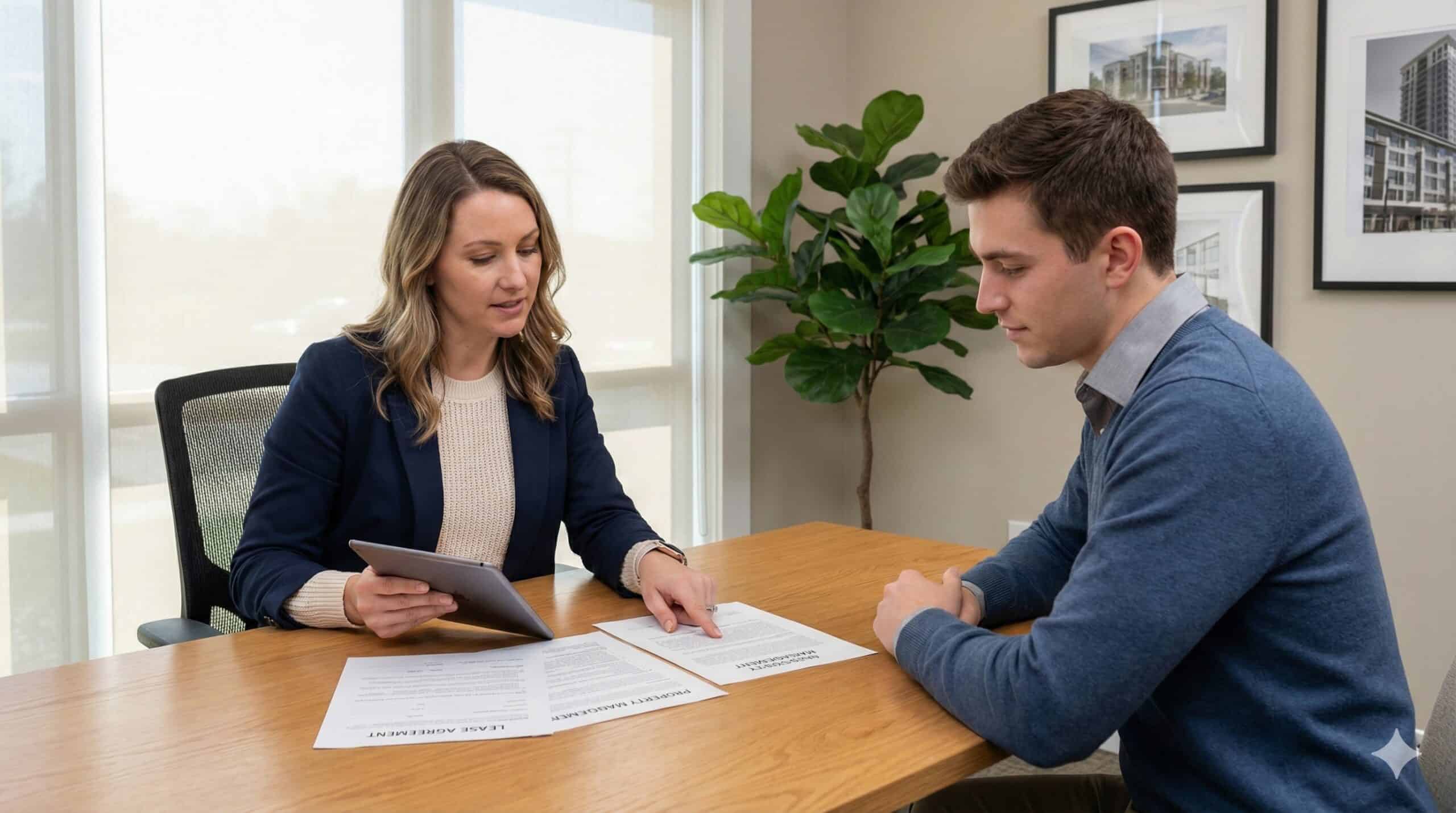
What to Do When a Tenant Claims to Be on Active Duty but Offers No Proof?
When a tenant claims to be on active duty but provides no documentation, the best approach is to stay calm and follow a clear verification process. The Servicemembers Civil Relief Act can influence eviction timelines and rent collection rights, so handling the situation correctly protects both your rental property and your legal standing.
Start by asking for basic documentation such as official military orders, a valid military ID, or a letter from a commanding officer. Always make this request in writing to maintain a record of communication. This step shows that you are taking the claim seriously while meeting your landlord responsibilities under state laws and the landlord-tenant framework.
If the tenant refuses or provides unclear proof, treat the claim as genuine until verified. Use an independent military verification service to confirm or rule out active duty status. These professional platforms check Department of Defense records and can issue affidavits that hold weight in small claims court and other proceedings.
Avoid acting on impulse or proceeding with eviction without verification. Courts expect property owners to respect possible SCRA protections, even when proof is missing. Taking time to verify military status helps you stay compliant, protects your rental income, and strengthens your record as a responsible landlord.
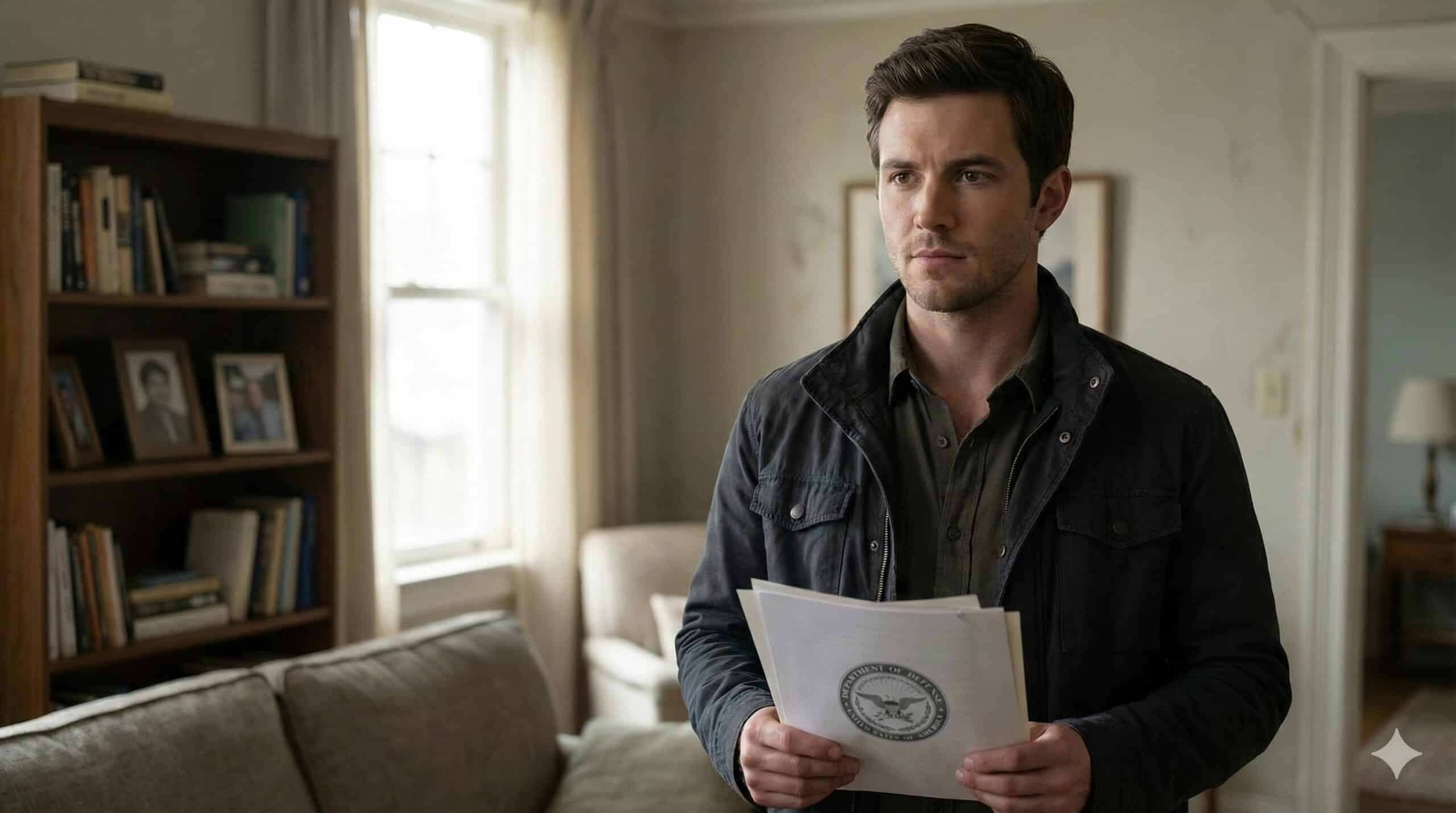
Using SCRACVS and Other Verification Tools
Military verification is only reliable when it comes from official sources. The Servicemembers Civil Relief Act Centralized Verification Service (SCRACVS) is a trusted platform that queries Department of Defense databases and delivers clear, court-ready reports. Each report confirms whether an individual was on active duty on a specific date, giving landlords and legal teams the confidence to move forward with compliance.
SCRACVS provides two key benefits that make it a practical choice for landlords, law firms, and property managers:
- Definitive verification results: A clear yes or no answer confirming military status for the date you specify.
- Court-ready affidavits: Documentation that proves you exercised due diligence before filing an eviction, repossession, or default judgment.
Because of these features, SCRACVS is widely used by lenders, financial institutions, tow companies, and storage providers who must remain compliant with federal and state laws when dealing with servicemembers.
While the Department of Defense offers a free verification option through the DMDC SCRA website, it can be challenging for smaller landlords to use. The federal tool often requires precise personal identifiers such as a Social Security Number or date of birth, which landlords may not have. It also does not provide customer support or help interpreting results, leaving many users uncertain about their next step.
SCRACVS bridges that gap by offering a guided, service-based approach. It is handy when:
- You have limited information about a tenant’s identity.
- You need affidavits accepted in small claims court or housing court.
- You prefer a reliable, documented process that fits easily into your property management workflow.
For any property owner or real estate professional managing rental agreements and compliance, SCRACVS simplifies a task that can otherwise be time-consuming and risky. Using verified data ensures fairness for tenants, protects your rental property, and reinforces your landlord responsibilities under federal law.
How does Verified Status Change Your Next Steps?
Once military status is verified, your next steps depend entirely on the result. Verification transforms uncertainty into a clear path forward and helps ensure that your actions align with both state laws and the Servicemembers Civil Relief Act.
If SCRACVS or another verification source shows that the tenant is not on active duty, you can typically proceed under standard landlord-tenant law. This means regular eviction timelines, rent collection, and default judgment rules will apply without additional restrictions.
Always keep the verification record in your property management files to show you exercised due diligence.
If the verification confirms that the tenant is on active duty, you must follow a more formal legal route. Eviction and collection efforts must go through the court system, where a judge can delay proceedings or modify payment obligations depending on how military service affects the tenant’s ability to respond or pay rent. Acting outside that process can lead to fines or legal challenges.
Consider a simple scenario. A tenant who has fallen two months behind on rent payments claims to be on active duty. You use SCRACVS to check their status and receive confirmation that they are not currently serving.
With that verified result, you can proceed under your state’s landlord-tenant laws with more confidence, knowing that standard timelines and rights apply.
Responsibility 2: Provide and Maintain a Habitable Home
Understanding the implied warranty of habitability
Every landlord in the United States is legally required to keep rental properties safe and livable.
Even if the lease agreement does not explicitly mention it, most state laws include what is known as the implied warranty of habitability. This legal standard ensures that every rental property meets basic living and safety conditions before and during a tenancy.
Habitability goes beyond cosmetic upkeep. It means the property must be structurally sound, weatherproof, and equipped with essential systems that work properly. A habitable home must provide:
- A stable and secure structure with no risk of collapse
- A roof and walls that are weatherproof and free from leaks
- Safe stairs, railings, and flooring to prevent injury
- Reasonable protection from the elements, including adequate heating or ventilation as required by local ordinances
When a landlord fails to maintain these standards, tenants can seek remedies under landlord-tenant law, such as rent reductions or even legal action in small claims court. Maintaining a habitable rental unit also reduces long-term property damage, prevents disputes, and upholds your overall landlord responsibilities.
Meeting Health and Safety Standards
Health and safety codes define the minimum conditions that make a rental property safe to live in, and every property owner must meet or exceed those standards. These requirements are set by local building and housing codes, but day-to-day compliance falls directly under your landlord’s responsibilities.
A habitable rental must include:
- Adequate light and ventilation in all rooms
- Safe electrical wiring and outlets that prevent fire hazards
- Working plumbing systems, including potable water and safe sewage disposal
Following these state laws and local ordinances keeps your property legally compliant and reduces liability.
Yet, compliance is only the starting point. Courts in many states apply a broader “reasonably safe” standard, meaning landlords may still be held accountable for conditions that threaten a tenant’s health or safety even if they technically meet code requirements.
For example, small nail holes in a wall or mild cosmetic wear do not usually breach the implied warranty of habitability. However, major issues such as a lack of heat in winter, raw sewage backing up into the unit, severe mold growth, or a leaking roof can render a rental unit uninhabitable.
Responsibility 3: Keep Essential Systems Working
Core systems landlords must maintain
Every landlord has a legal duty to ensure that the essential systems in a rental property remain functional throughout the tenancy.
These are not optional amenities; they are part of the landlord’s responsibilities, recognized under most state laws and local housing codes. When these systems fail, the property may no longer meet the implied warranty of habitability, exposing the property owner to legal or financial risk.
Core systems that must be maintained include:
- Heat and hot water to ensure basic comfort and sanitation
- Plumbing and toilets that operate properly and dispose of waste safely
- Electrical service with safe wiring and outlets to prevent hazards
- Cooling or ventilation systems where required by local ordinances
- Major appliances provided under the rental agreement, such as stoves or refrigerators
If any of these services stop working, landlords must arrange needed repairs within a reasonable time to restore habitability.
Courts often view failure to act promptly as a serious violation of landlord-tenant law. Beyond compliance, keeping essential systems in good condition supports good tenants, reduces long-term property damage, and helps preserve steady rental income.
Response Expectations and Timelines
When essential systems fail, landlords must act quickly to protect the tenant’s safety and preserve the rental property. Most state laws require prompt repairs when an issue affects health or habitability, and courts often assess whether the landlord’s response was reasonable based on the severity of the problem.
For urgent matters such as a complete loss of heat, a burst pipe, or a major water leak, repairs generally need to begin within 24 to 72 hours. These are considered emergencies because they directly affect the tenant’s ability to live safely in the rental unit.
Less critical problems, like minor appliance malfunctions or small plumbing issues, may allow a longer timeframe for repair. Still, unreasonable delays can breach the implied warranty of habitability and expose a property owner to complaints or actions in small claims court.
Acting swiftly not only fulfills legal obligations but also demonstrates responsible property management and helps maintain positive tenant relations.
Responsibility 4: Handle Repairs And Maintenance In A Reasonable Time
Responding to tenant repair requests
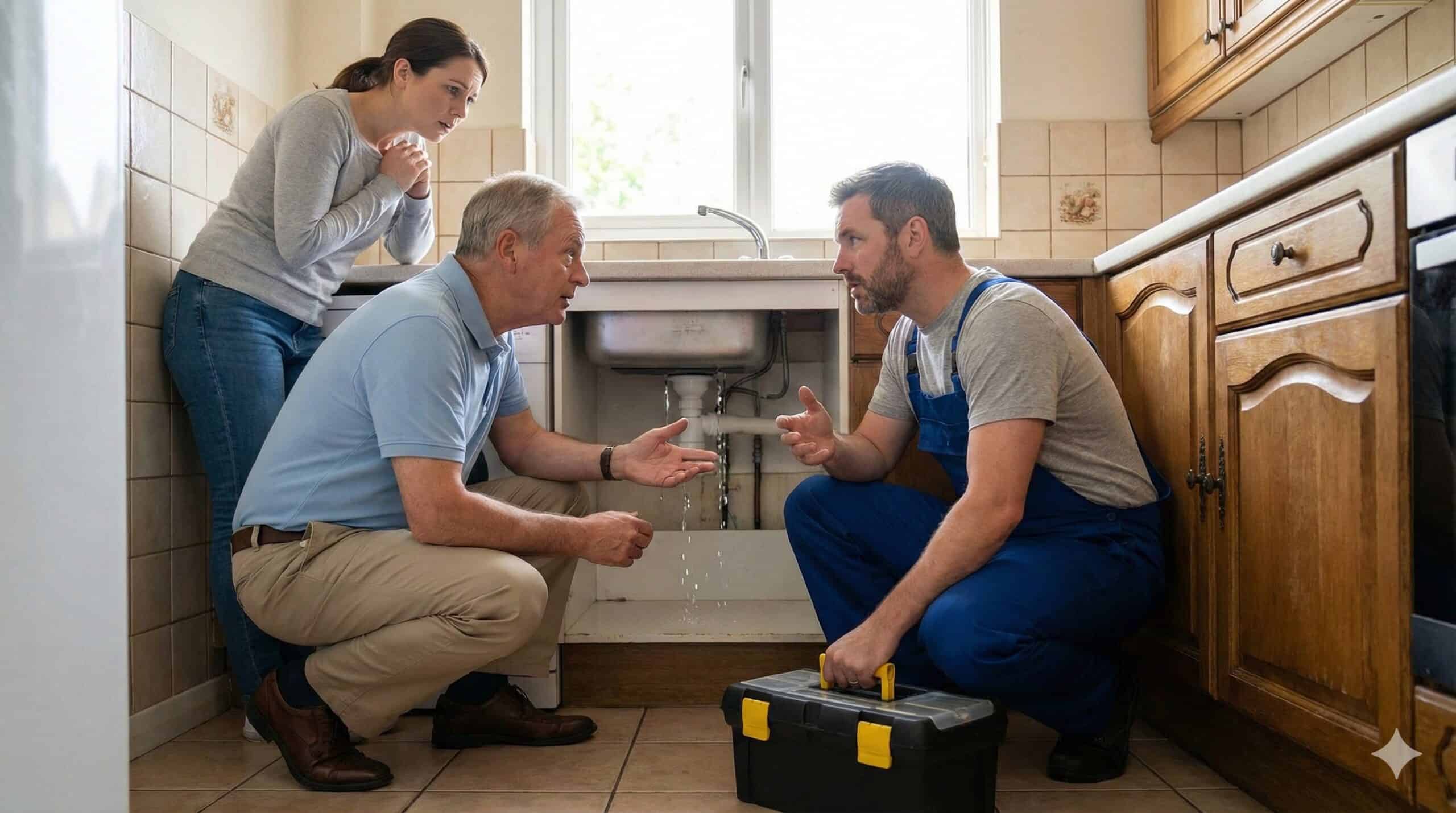
Timely maintenance is one of the most important landlord responsibilities. When tenants report issues, how you respond can determine whether the situation stays manageable or turns into a legal dispute. Establishing a clear system for handling repair requests keeps your rental property in good condition and helps you stay compliant with state laws.
The best practice is to have tenants submit repair requests in writing or through a digital portal. Written communication creates a reliable record of what was reported and when it occurred.
Each request should be logged with the date received, details of the issue, and the follow-up action taken. This simple habit supports transparency and provides documentation if questions arise later in small claims court or a landlord-tenant proceeding.
Ignoring maintenance requests is one of the biggest risks a property owner can take. In many states, tenants can pursue a repair and deduct remedy, where they pay for necessary repairs themselves and subtract the cost from their monthly rent. Courts may also award rent abatements or additional damages if a landlord fails to maintain habitable conditions or delays necessary repairs.
Distinguishing Normal Wear from Damage
Understanding the difference between ordinary wear and actual damage helps landlords manage repairs fairly and stay within state laws governing security deposits.
Normal wear and tear, such as faded paint, light carpet traffic, or small wall scuffs, comes from everyday living and must be handled as part of regular property maintenance. These minor issues are the landlord’s responsibility and should not be deducted from the tenant’s deposit.
By contrast, damage that results from negligence or misuse is a different matter. Broken doors, large holes in walls, pet stains, or burns on the flooring may legally justify a deduction from the security deposit, provided everything is documented.
Keeping written records and photo evidence helps you remain compliant with landlord-tenant rules and demonstrates good faith if a dispute reaches small claims court.
Maintenance Schedules
Preventive maintenance keeps a rental property safe and avoids costly emergencies. Many landlords follow a simple schedule that includes:
- Annual HVAC service to maintain heating and cooling efficiency
- Routine pest control to prevent infestations and uphold health standards
- Regular checks of smoke and carbon monoxide detectors to ensure compliance with local ordinances and safety requirements
These proactive measures protect your rental income, extend the life of major systems, and reinforce your reputation as a responsible property owner.
Responsibility 5: Meet Safety Codes, Detectors, And Inspection Duties
Safety devices and hazard control
Landlords are required to keep every rental property safe and compliant with local building standards. This includes installing safety devices, preventing fire hazards, and addressing environmental risks that could harm tenants or damage the property.
Each unit must have:
- Working smoke detectors in sleeping areas and common spaces
- Carbon monoxide detectors where state law requires them
- Clear fire exits and hallways free from obstructions
Safety compliance also extends to environmental concerns. Homes built before 1978 must follow lead-based paint disclosure rules to protect tenants from exposure. Mold prevention, proper ventilation, and prompt repairs to leaks are part of maintaining a healthy rental unit.
Older buildings may contain asbestos or other regulated materials that require special handling under local laws. Regular inspections and maintenance help identify these issues early and keep the property in line with state housing codes.
Addressing hazards quickly is part of every landlord’s obligation to maintain safe housing and preserve the value of their investment.
Cooperation with Inspectors
Landlords must cooperate fully with housing and code enforcement officials when inspections are required. These visits ensure that a rental property meets health, safety, and structural standards under state laws and local ordinances. Denying access or delaying an inspection can quickly escalate into a compliance issue that affects your rental income and legal standing.
Inspectors are authorized to enter with proper notice to review building conditions, confirm code compliance, or investigate tenant complaints. Once an inspection takes place, landlords are responsible for correcting any cited violations within the deadlines set by the local housing department.
Ignoring inspection results can carry serious consequences. Cities may impose fines, issue orders to vacate, or allow tenants to use remedies such as rent withholding until repairs are made. Addressing violations quickly protects your investment, prevents disputes, and keeps your rental unit legally habitable.
Responsibility 6: Respect Tenant Privacy And Quiet Enjoyment
Right to quiet enjoyment
Tenants have a legal right to privacy and quiet enjoyment of their rental property. This means they are entitled to live without unnecessary interruptions or harassment from the landlord. Just as a property owner would find constant disturbances frustrating, tenants expect to feel comfortable and secure in their homes.
Violating this right can lead to serious consequences under state landlord-tenant laws.
Common violations include:
- Entering the rental unit without proper notice
- Making repeated unannounced visits or inspections
- Sending excessive or harassing calls and messages
- Starting noisy or disruptive construction projects without notifying tenants in advance
Respecting privacy does not prevent landlords from maintaining the property or ensuring compliance with the lease agreement.
It simply requires that you act reasonably, give written notice before entry (typically 24 hours), and avoid behavior that interferes with the tenant’s ability to live peacefully. Doing so upholds your landlord responsibilities, prevents disputes, and promotes a professional relationship built on trust and respect.
Rules for Entering the Unit
Most state laws require landlords to give advance written notice before entering a rental unit, typically about 24 hours beforehand. The only exception is when there is an immediate threat to health or safety, such as a gas leak, fire, or severe water damage.
Landlords may enter only for legitimate purposes, such as:
- Performing repairs or maintenance
- Conducting scheduled inspections
- Showing the unit to prospective tenants or buyers
- Responding to emergency situations
A simple entry notice should include:
- Tenant’s name and property address
- Date and time of intended entry
- Reason for entry
- Landlord or property manager contact information
Clear communication prevents misunderstandings and helps maintain positive tenant relations.
Avoiding Constructive Eviction
Landlords must never take actions that make a rental property unlivable or pressure a tenant to leave. Conduct such as shutting off utilities, removing doors or windows, or ignoring serious safety issues can amount to constructive eviction, which is illegal in every state.
Courts may order rent abatements, damages, or even penalties if a property owner engages in this behavior.
Maintaining basic services, addressing property damage promptly, and keeping the home safe are essential to preserving both compliance and the tenant’s right to peaceful occupancy.
Responsibility 7: Follow Fair Housing And Anti-Discrimination Rules
Fair Housing basics
The Fair Housing Act prohibits landlords, property managers, and real estate professionals from discriminating against applicants or tenants based on personal characteristics. At the federal level, the law protects seven classes: race, color, religion, national origin, sex, disability, and familial status.
Many states and cities expand these protections to include other categories such as sexual orientation, gender identity, age, marital status, or source of income. Understanding these differences is essential for compliance, since state laws and local ordinances often carry additional rules beyond federal standards.
Every aspect of property management, from tenant screening and advertising to lease renewals, must align with fair housing principles. Treating all applicants equally, using consistent qualification criteria, and avoiding biased language in listings helps prevent violations and protects both your reputation and your rental income.
Screening and Advertising Practices
Fair housing compliance starts with how you present and evaluate a rental property. Advertising that singles out or excludes groups is not allowed under the Fair Housing Act. Phrases such as “adults only” or “Christians preferred” are clear violations. Even rules that seem neutral, like refusing to rent to anyone with a criminal record, can still have a discriminatory effect.
Use a simple, transparent process for every applicant. Apply the same screening standards each time, focusing on facts such as income, rental history, and credit information obtained under the Fair Credit Reporting Act. Keep written criteria and document each step.
This approach shows that your tenant screening process is fair and consistent with state laws and local ordinances.
Reasonable Accommodations and Modifications
Landlords must take disability-related requests seriously. If a tenant needs an assistance animal or a service animal, that request overrides a no-pet rule. Denying it could violate fair housing protections.
Tenants may also ask for changes that make their home more accessible, such as grab bars in bathrooms, entry ramps, or easier door handles. These reasonable modifications must be considered based on cost, practicality, and local regulations.
Cooperating with such requests shows professionalism and helps keep your rental unit in full compliance with federal and state housing laws.
Responsibility 8: Manage Leases, Deposits, And Rent According To Law
Clear, lawful written leases
Every rental agreement should be written clearly and comply with state laws.
A well-drafted lease protects both the landlord and the tenant while reducing disputes later. Using state-specific lease forms ensures that the document reflects local requirements on topics such as security deposits, rent payment terms, and lease violations.
Landlords should include addenda that cover unique situations like pet policies, military clauses, or special conditions agreed upon at signing. These additions help prevent confusion and make the expectations of both parties easy to follow.
Avoid any lease language that tries to waive a tenant’s basic legal rights. Clauses that limit access to the courts, deny the implied warranty of habitability, or shift unfair responsibilities to the tenant can be deemed invalid and may expose the property owner to penalties.
Handling Security Deposits
Security deposits are one of the most regulated parts of the landlord-tenant relationship. Every property owner must follow state-specific rules to remain compliant and avoid disputes.
Standard legal requirements include:
- Deposit limits: Most states cap deposits at one or two months’ rent payments.
- Holding procedures: Some jurisdictions require deposits to be placed in a separate account or escrow.
- Return deadlines: Deposits must be returned within a set timeframe after the tenant moves out, usually between 14 and 30 days.
- Itemized deductions: Any amount withheld must be explained in writing, with invoices or repair estimates attached.
Providing detailed documentation and proof of expenses protects your position if the matter reaches small claims court. It also helps maintain trust with good tenants who follow the rental agreement responsibly.
Rent Rules and Late Fees
Managing rent properly is another key part of lawful property management. Many states have clear limits on how and when rent increases can occur, and they often require proper written notice before changes take effect.
- Reasonable late fees: Charges must reflect actual administrative costs, not serve as penalties.
- Written policies: The lease agreement should clearly explain due dates, grace periods, and any additional fees.
- Accurate records: Keep detailed payment histories, receipts, and notes on any special arrangements or extensions.
Following these guidelines ensures compliance with state laws, protects your rental income, and promotes a transparent and professional relationship with tenants.

Responsibility 9: End Tenancies And Evictions The Right Way
Proper notice before termination
Ending a tenancy must always follow state laws that protect both the tenant’s rights and the landlord’s ability to regain possession legally. Written communication and proper timelines are critical to ensure compliance and avoid delays in court.
Landlords must provide written notice before taking any eviction-related action. The type of notice depends on the situation:
- Nonpayment of rent: A pay or quit notice gives the tenant a set number of days to pay the overdue monthly rent or vacate the rental property.
- Lease violations: A cure or quit notice provides tenants with the opportunity to rectify a specific violation, such as an unauthorized pet or repeated noise complaints.
- Non-renewal: For month-to-month tenancies, landlords must give proper advance notice of non-renewal according to state laws.
Each state also sets rules for how notices must be delivered—by mail, hand delivery, or posting on the rental unit. Missing these requirements can cause an eviction case to be dismissed, even if the lease agreement was breached.
Using Court Eviction Procedures Instead of Self-Help
Evictions must be handled through the legal system, not by personal action. In nearly every state, landlords are prohibited from taking matters into their own hands.
It is unlawful to:
- Change the locks without a court order
- Remove the tenant’s belongings
- Disconnect water, power, or other utilities to pressure a tenant to leave
The correct procedure requires filing a formal eviction case in court. The process typically includes:
- Submit a complaint or petition for eviction.
- Attending a hearing before a judge to present documentation, such as the lease agreement and written notice.
- Waiting for a court-issued judgment, followed by enforcement through law enforcement officers who carry out the writ of possession.
Attempting eviction without this process can result in fines, damages, and dismissal of the case. Courts take these violations seriously under state landlord-tenant laws, as they directly affect a tenant’s right to lawful possession.
SCRA Overlay When Tenants Are in the Military
When a tenant is serving on active duty, eviction for nonpayment or other reasons requires extra care. Under the Servicemembers Civil Relief Act, a judge must review how military service affects the tenant’s ability to respond or pay rent payments.
In some cases, courts may delay proceedings or modify obligations temporarily.
Verifying a tenant’s military status before filing helps prevent mistakes and reduces the chance of swearing incorrect information. Using trusted verification sources, such as SCRACVS, ensures that the landlord acts in compliance with federal law while protecting their own rental property and legal position.
Responsibility 10: Keep Strong Records And Seek Legal Help When Needed
Documentation as a core responsibility
Accurate records are one of the most valuable tools a landlord can maintain. Proper documentation demonstrates that you adhere to state laws, manage your rental property responsibly, and act in good faith during any disputes. Organized files also help attorneys and courts understand your actions clearly if a dispute arises.
Keep the following records securely and in order:
- Applications and tenant screening notes are used to evaluate prospective renters
- Signed leases and addenda, including any military clauses or special conditions
- Move-in and move-out inspection reports with dated photos to document property condition
- Repair logs and all written communication about maintenance or property damage
- Military verification records and related correspondence from SCRACVS or similar platforms
These records create a paper trail that protects you in small claims court or during larger legal proceedings. They demonstrate your compliance with landlord-tenant requirements and confirm that you fulfilled your landlord responsibilities consistently and fairly.
When to Consult an Attorney
Certain rental situations call for professional legal guidance. Even experienced landlords and property managers can face complex issues that require interpretation of state laws or federal protections like the Servicemembers Civil Relief Act. Consulting an attorney early often prevents costly mistakes and helps ensure compliance.
Seek legal advice if you encounter:
- Repeated nonpayment of rent or serious lease violations
- Disputes involving discrimination or disability accommodations under the Fair Housing Act
- Cases where a tenant is serving in the military, and you are pursuing eviction or collection
An attorney can review your rental agreement, notices, and documentation to confirm that your next steps meet legal requirements.
This article offers general educational information about landlord responsibilities and compliance practices. It does not provide legal advice. For questions about your specific situation, contact a licensed attorney familiar with landlord-tenant and SCRA regulations in your state.
Core Landlord Responsibilities at a Glance
Managing a rental property involves more than collecting rent and maintaining the building. Each duty carries legal and financial implications under state laws, local ordinances, and federal statutes such as the Fair Housing Act and the Servicemembers Civil Relief Act (SCRA).
The table below summarizes the ten key landlord responsibilities discussed in this guide, along with the risks of noncompliance.
| Responsibility Category | What the Landlord Must Do | What Can Happen If They Do Not Comply |
|---|---|---|
| 1. Military status verification | Confirm a tenant’s active duty status through SCRACVS or official Department of Defense records; maintain written proof. | SCRA violations, overturned judgments, and possible federal penalties. |
| 2. Provide and maintain a habitable home | Keep housing safe, clean, and structurally sound; comply with habitability standards and local codes. | Rent abatements, court repair orders, and personal injury claims. |
| 3. Keep essential systems working | Maintain heat, water, plumbing, electrical service, and appliances supplied with the unit. | Habitability violations, fines, and rent withholding. |
| 4. Handle repairs and maintenance promptly | Respond quickly to repair requests and complete work within a reasonable time. | Tenant legal action, repair-and-deduct claims, loss of rental income. |
| 5. Meet safety codes and inspection duties | Install smoke and carbon monoxide detectors, manage hazards, and cooperate with inspections. | Code enforcement fines, orders to vacate, and tenant rent withholding. |
| 6. Respect tenant privacy and quiet enjoyment | Give advance written notice before entry, avoid harassment, and prevent constructive eviction. | Damages for invasion of privacy, eviction reversal, or penalties. |
| 7. Follow fair housing and anti-discrimination rules | Treat applicants equally; comply with federal, state, and local fair housing laws. | Discrimination complaints, fines, lawsuits, and loss of license. |
| 8. Manage leases, deposits, and rent lawfully | Use compliant lease forms, follow deposit rules, and keep records of rent payments. | Deposit penalties, breach of contract claims, or treble damages. |
| 9. End tenancies and evictions properly | Provide proper written notice and use court eviction procedures only. | Wrongful eviction suits, dismissal of cases, and civil penalties. |
| 10. Keep strong records and seek legal help when needed | Maintain organized documentation and consult attorneys for complex issues. | Poor defense in disputes, compliance errors, and legal liability. |
Turning Legal Duties Into Practical Protection for Your Rental Business
Being a landlord is more than collecting rent; it’s about managing your property in a way that’s fair, lawful, and defensible. A clear understanding of your core responsibilities protects your investment, strengthens tenant relationships, and keeps your business on solid legal ground. When you provide habitable housing, address repairs promptly, respect privacy, and adhere to fair housing and eviction laws, you create a rental operation that can withstand scrutiny in any court.
One responsibility deserves special attention: verifying military status. When a tenant claims to be a servicemember, your first step should be to verify this claim. Acting without verification can lead to costly SCRA violations that could have been avoided.
That’s where SCRACVS comes in. It offers direct access to official Department of Defense data, delivers clear yes-or-no reports, and provides court-accepted affidavits that prove your due diligence.
FAQs
What are the most important landlord responsibilities under US law?
A property owner must comply with all applicable state laws and local ordinances governing housing safety, maintenance, and tenant rights. The most critical landlord responsibilities include maintaining the rental property in a habitable condition, ensuring that utilities are working, adhering to safety codes, and complying with the Fair Housing Act. Landlords must also manage security deposits, respect reasonable accommodations, and respond to tenants’ responsibility claims quickly. Consistent property management practices help avoid legal issues and preserve rental income.
Do I really need to verify a tenant’s military status if they claim to be on active duty?
Yes, verifying military status is essential when a tenant claims to be a servicemember. The Servicemembers Civil Relief Act (SCRA) requires landlords to confirm military status before filing eviction or collection actions. Using a platform like SCRACVS provides access to official Department of Defense records, ensuring compliance and preventing errors that could void legal actions or lead to financial risks. This verification protects the landlord’s rights and demonstrates reasonable care in handling potential SCRA cases.
How can I verify whether a tenant is protected under SCRA protections?
Landlords can verify a tenant’s military status through an official service such as SCRACVS, which queries Department of Defense data and returns an official verification report. These records confirm whether the tenant was on active duty on specific dates and can include court-ready affidavits. Keeping these reports with your lease agreement and rental payments documentation ensures compliance with state laws and provides evidence of due diligence during legal proceedings.
What happens if I evict a tenant who was actually in the military without realizing it?
Proceeding with eviction before confirming military status can lead to serious consequences. If the tenant is later found to be on active duty, the court may overturn the case, order rent abatements, or impose fines for violating the Servicemembers Civil Relief Act. A landlord who fails to verify could also face liability insurance claims or penalties under federal enforcement. Using SCRACVS prevents these outcomes and safeguards your rental unit and reputation.
Does SCRA stop me from suing a military tenant for unpaid rent or property damage?
No, the SCRA does not cancel unpaid rent or property damage obligations. It simply adjusts the timeline for when you can file and how the case proceeds. Courts may delay hearings if the tenant’s service interferes with attendance. You can still recover rental income or damages by following proper court procedures and documenting your actions. Verifying military status first helps ensure all steps comply with federal and state landlord-tenant rules.
How quickly do I need to address serious issues, such as no heat or major leaks?
Most states require landlords to respond promptly to repair issues that affect habitability or violate health codes. Critical problems such as total heat loss, severe leaks, or pest infestation typically require attention within 24 to 72 hours. Failing to make necessary repairs can lead to habitability claims, repair and deduct disputes, or penalties under local housing codes. Regular inspections and proactive property management help avoid these issues.
Can I enter the rental property at any time if I provide notice?
No, landlords must give proper notice and have a legitimate reason to enter. Common reasons include pest control, maintenance checks, or showing the rental unit to new tenants. Most state laws require at least 24 hours’ written notice, except in emergencies involving property damage or safety risks. Repeated or unnecessary visits may violate the tenant’s right to quiet enjoyment, leading to lease violation claims and potential small claims court actions.