
Can a Landlord Sue a Tenant for Unpaid Rent? Guide for Landlords
Unpaid rent creates pressure for any landlord, especially when the tenant stops communicating or ignores a written notice. Tension rises quickly once the rent owed exceeds the amount due, as it becomes a direct breach of the lease agreement.
Many landlords start weighing eviction or a court case, although everything becomes more complicated the moment a tenant claims active duty status and introduces federal protections into the dispute.
The unpaid rent still exists, but the Servicemembers Civil Relief Act can influence the timing of legal actions, the court’s expectations, and the documentation you must provide before moving forward. Courts may require verification steps and affidavits to confirm that the claim for unpaid rent can proceed without violating federal law. Filing without confirming military status can lead to delays, rejected filings, or sanctions that disrupt your attempt to recover unpaid rent.
The following sections open the door to the details you need, so continue reading for a clear path forward.
Contents
- 1 Key Takeaways
- 2 Can a Landlord Sue a Tenant for Unpaid Rent?
- 3 Understanding When Landlords Can Sue for Unpaid Rent
- 4 How SCRA Affects Lawsuits and Evictions for Unpaid Rent?
- 5 Why Verifying Military Status Is Essential Before Suing?
- 6 Practical Steps for Landlords Handling Unpaid Rent
- 6.1 1. Send a Written Notice to Pay or Quit
- 6.2 2. Document All Missed Payments and Communications
- 6.3 3. Verify the Tenant’s Military Status Before Filing
- 6.4 4. Proceed With Eviction or Money Judgment According to State Law
- 6.5 5. Consider Payment Plans or Early Move Out Agreements
- 6.6 How SCRA Impacts Unpaid Rent Cases?
- 7 Stay Protected With Verified Military Status Before Suing for Unpaid Rent
- 8 FAQs
- 8.1 Can a landlord sue a tenant for unpaid rent if they are in the military?
- 8.2 What happens if a tenant stops paying rent without terminating the lease properly?
- 8.3 Can a landlord sue for unpaid rent even if the servicemember is deployed?
- 8.4 Does SCRA protect dependents living with the servicemember?
- 8.5 Can a servicemember be evicted for nonpayment of rent?
Key Takeaways
- Landlords can sue tenants, including military tenants, for unpaid rent.
- SCRA affects timing and procedure, not the landlord’s right to collect unpaid rent.
- A servicemember who properly terminates a lease under SCRA cannot be charged future rent.
- Courts may pause (stay) eviction or collection cases if military service affects the tenant’s ability to appear.
- Landlords must verify a tenant’s military status before filing or risk federal penalties.
- A tenant falsely claiming military protections loses SCRA benefits entirely.
- Written notices, accurate affidavits, and documentation are crucial to avoid mistakes.
Can a Landlord Sue a Tenant for Unpaid Rent?
Yes, a landlord can sue a tenant for unpaid rent. When a tenant fails to pay rent on time, the unpaid rent becomes a material breach of the lease agreement under every state’s landlord-tenant framework. At that point, you have the right to consider legal actions to recover the rent owed, whether the tenant remains in the unit or has already moved out.
Most disputes begin the same way. The tenant owes rent, ignores written notice, and allows back rent to build until you can no longer rely on informal payment promises. Once reasonable efforts to collect unpaid rent have failed, you may use the lease, state law, and the court system to protect your position.
Depending on local laws and the status of the tenancy, you usually have three main options.
- File an eviction case to regain possession of the rental unit when the tenant remains and continues to owe rent.
- File a lawsuit in small claims court or another trial court to collect unpaid rent, court costs, and allowable expenses from a former tenant.
- Combine a claim for possession and a claim for money in a single court case where state procedure permits both in one complaint.
The Servicemembers Civil Relief Act does not erase due rent and does not prevent a landlord from suing a tenant for unpaid rent. Instead, SCRA can affect the way the court handles the case. For example, a judge may reschedule the court date if active duty service limits the tenant’s ability to appear or respond.
Courts may also expect you to verify whether the tenant is on qualifying military service before the lawsuit proceeds, especially in any eviction process involving unpaid rent.
State notice rules still apply even when SCRA issues arise. You must follow the required notice period, send notice in a manner approved by local laws, and keep records of each step.
When you eventually file, the court will look at the lease, your written notice, your efforts to mitigate damages by seeking a new tenant, and your evidence of the exact amount of rent money that remains unpaid.

Understanding When Landlords Can Sue for Unpaid Rent
1. Standard Nonpayment
Late or missing rent qualifies as a breach of the lease agreement in every state. Once the tenant owes rent and fails to respond, you may initiate the standard nonpayment process. Many cases follow a familiar pattern where the payment deadline passes, reminders go unanswered, and the unpaid rent grows until formal action becomes necessary.
When SCRA is not involved, state law outlines the required steps. The sequence is straightforward and provides the tenant with a final opportunity to resolve the issue before the case proceeds to court.
- Send a written notice that instructs the tenant to pay or leave within the notice period required by local laws
- File an eviction case if the tenant does not pay by the date listed in the notice
- Pursue a money judgment for the unpaid rent once the tenancy ends or once possession is returned
Courts expect landlords to provide documentation showing that the written notice was delivered. Accurate records of the amount owed, dates, and attempts to collect unpaid rent strengthen your claim and establish that the tenant remains responsible for the balance.
2. If the Tenant Is a Servicemember Who Did Not Properly Terminate the Lease
SCRA gives qualified servicemembers the ability to end a lease early, although the law requires specific conditions before the lease agreement can be released. A servicemember can end the tenancy only when one of the following situations applies.
- Entry into active duty
- Permanent change of station orders
- Deployment orders that meet the length requirements
To activate these rights, the tenant must provide clear documentation. Courts expect two items before treating the termination as valid.
- Written notice that states the intent to end the lease
- A copy of official military orders or a letter from the commanding officer confirming the orders
Problems occur when a tenant stops paying rent without completing these steps. Many landlords believe that any servicemember can walk away from rent obligations, although SCRA does not work that way.
If the tenant owes rent and fails to follow the required procedure, you may sue the tenant for unpaid rent through the normal process. The court may adjust the timeline or grant a temporary delay, but the unpaid rent remains due until a proper termination is completed.
3. If the Servicemember Properly Terminated the Lease
When a servicemember follows the required SCRA steps, the lease ends on the statutory termination date. In most situations, this date falls thirty days after the next scheduled rent due date. Courts treat this timeline strictly, which means the tenant’s responsibility for future rent stops once the termination becomes effective.
Even though future rent cannot be charged, you may still collect amounts that became due before the termination took effect.
These amounts usually fall into a few categories.
- Unpaid rent owed before the statutory termination date
- Prorated rent for the period leading up to the termination
- Property damage costs that exceed normal wear
If the tenant paid rent in advance or provided a security deposit, you may need to return some or all of those funds, depending on the timing of the termination and the final inspection of the rental unit. Clear accounting helps confirm what remains owed and what must be refunded once the tenancy ends.
How SCRA Affects Lawsuits and Evictions for Unpaid Rent?
1. Requirement for a Court Order to Evict Active Duty Tenants
Active duty servicemembers receive specific protections when facing eviction for unpaid rent. If the monthly rent falls within the federal SCRA cap, the landlord must obtain a court order before removing the tenant from the rental unit.
This protection applies even when the tenant owes rent and has failed to respond to a written notice. Judges review the case to determine whether military service affects the tenant’s ability to respond or appear, and the court may delay proceedings if required.
Self-help actions are strictly prohibited. A landlord cannot remove doors, shut off utilities, or force the tenant out without a court order. These actions violate federal law and can lead to significant penalties.
The only lawful path is through the court system, where the judge decides how the eviction process should move forward when active duty service is involved.
2. Court Stays for Military Tenants
Courts may pause an eviction or collection case when active duty service affects a tenant’s ability to appear. Judges review each situation individually, and a stay is often granted when the servicemember is unable to participate in the case due to training schedules, deployment, or limited communication access.
These pauses commonly last 90 days, although the court can extend the delay when service demands continue to interfere with the tenant’s availability.
To support a request for more time, the tenant may need to provide a letter from a commanding officer that explains how military duties prevent participation in the court process. Judges rely on this information to decide whether a postponement is appropriate and how long the case should remain on hold.
A stay only changes the timing of the court case. It does not erase the rent owed, reduce the amount due, or prevent the landlord from collecting unpaid rent once the proceedings resume.
3. Default Judgment Protections
When a case moves forward without the tenant in court, judges take additional steps to make sure the filing is fair and compliant. The court cannot enter a default judgment until it confirms the tenant’s military status, since active duty service can interfere with the ability to participate in the case.
If the tenant is absent and military service appears likely or cannot be ruled out, the judge may appoint a guardian ad litem who reviews the complaint, evaluates the evidence, and safeguards the servicemember’s rights during the proceedings.
Accuracy remains critical throughout this process. An affidavit that misstates the tenant’s military status can lead to penalties or a reversed judgment. Proper verification helps ensure that the final ruling stands and that collection efforts continue without avoidable delays.
4. Court Remedies: Adjustments, Payment Plans, Garnishment
Courts have flexibility when addressing unpaid rent involving a tenant who serves on active duty. Judges may adjust certain lease terms or set up a structured payment schedule that allows the tenant to meet obligations while still managing military responsibilities. These adjustments help the case move forward without placing unnecessary strain on either party.
Some courts may also consider garnishment of servicemember pay when the evidence clearly shows unpaid rent, and the tenant has the ability to contribute through a steady income.
This option is used carefully, since the goal is to create a fair resolution that protects the landlord’s financial interests without disrupting the tenant’s military duties.
Why Verifying Military Status Is Essential Before Suing?
1. SCRA Compliance Requires Accurate Military Status
Before taking any legal action for unpaid rent, landlords must confirm whether the tenant is serving on active duty. This step shapes how the case proceeds because SCRA protections only apply when military service is verified. Filing without this information can create complications that slow the case or call the entire filing into question.
Submitting the wrong military status exposes the landlord to consequences that extend far beyond simple procedural delays. Judges may issue penalties or reverse earlier rulings when an affidavit contains errors.
Serious outcomes can include:
- Federal fines
- Civil penalties
- Vacated judgments
- Attorney fee awards
Accurate verification forms the foundation of every SCRA-related action. It ensures that the filing is valid, the next steps follow the correct timeline, and the landlord avoids preventable issues that can disrupt the case later.
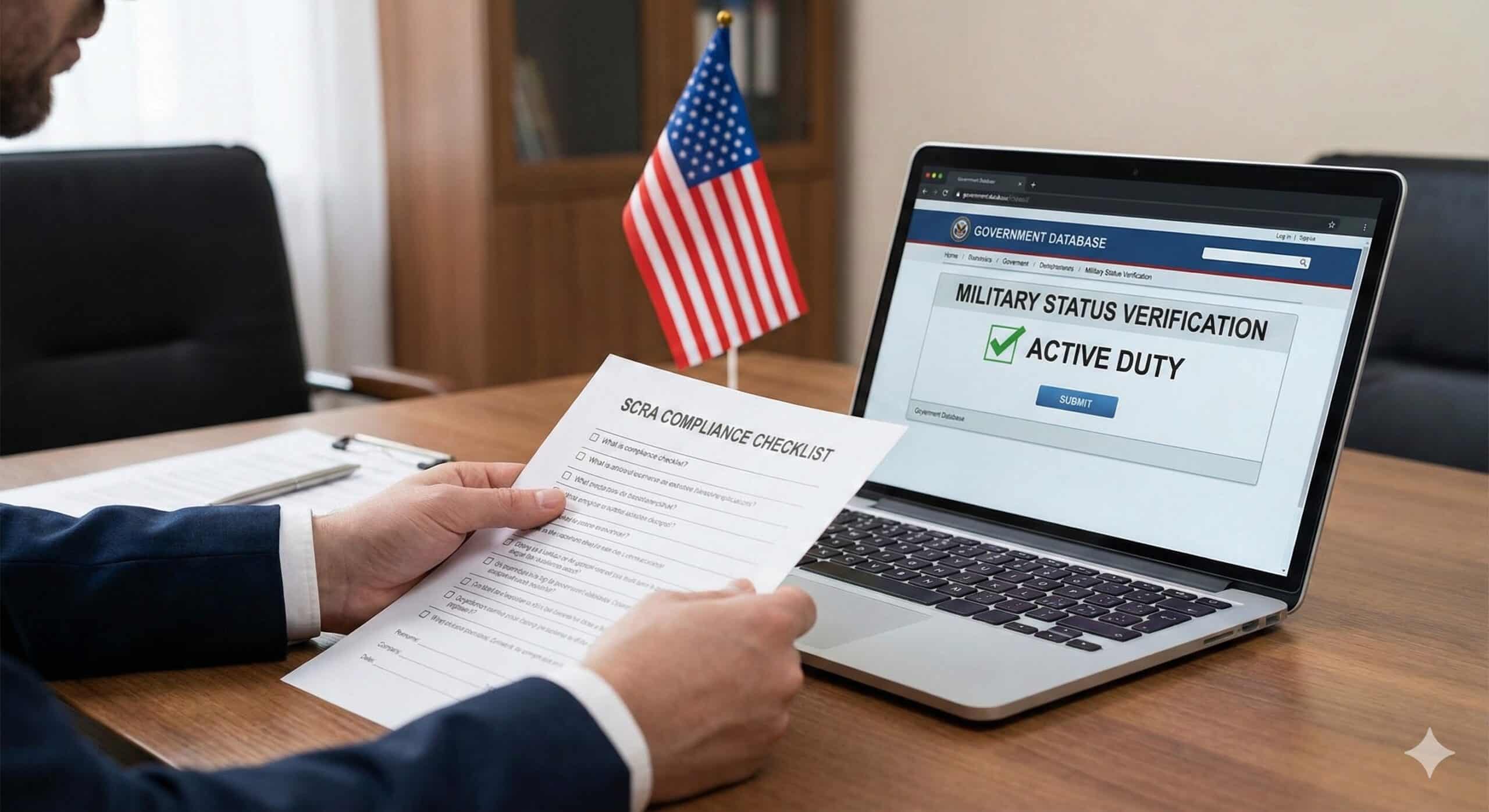
2. Tenants Sometimes Falsely Claim Military Status
Some tenants attempt to delay eviction or avoid paying unpaid rent by stating that they are serving in the military, even when no active duty service exists. This situation creates uncertainty, especially when the tenant owes rent and refuses to provide any documentation.
Verification helps clear the confusion immediately and prevents unnecessary delays in the eviction process or the collection action.
Once military status is confirmed, the path forward becomes clear. If the tenant is not on active duty, the landlord may continue under normal state law and pursue the unpaid rent through the standard procedures for notice, eviction, or a money judgment. Verification removes doubt and ensures that the correct legal steps are followed from the start.
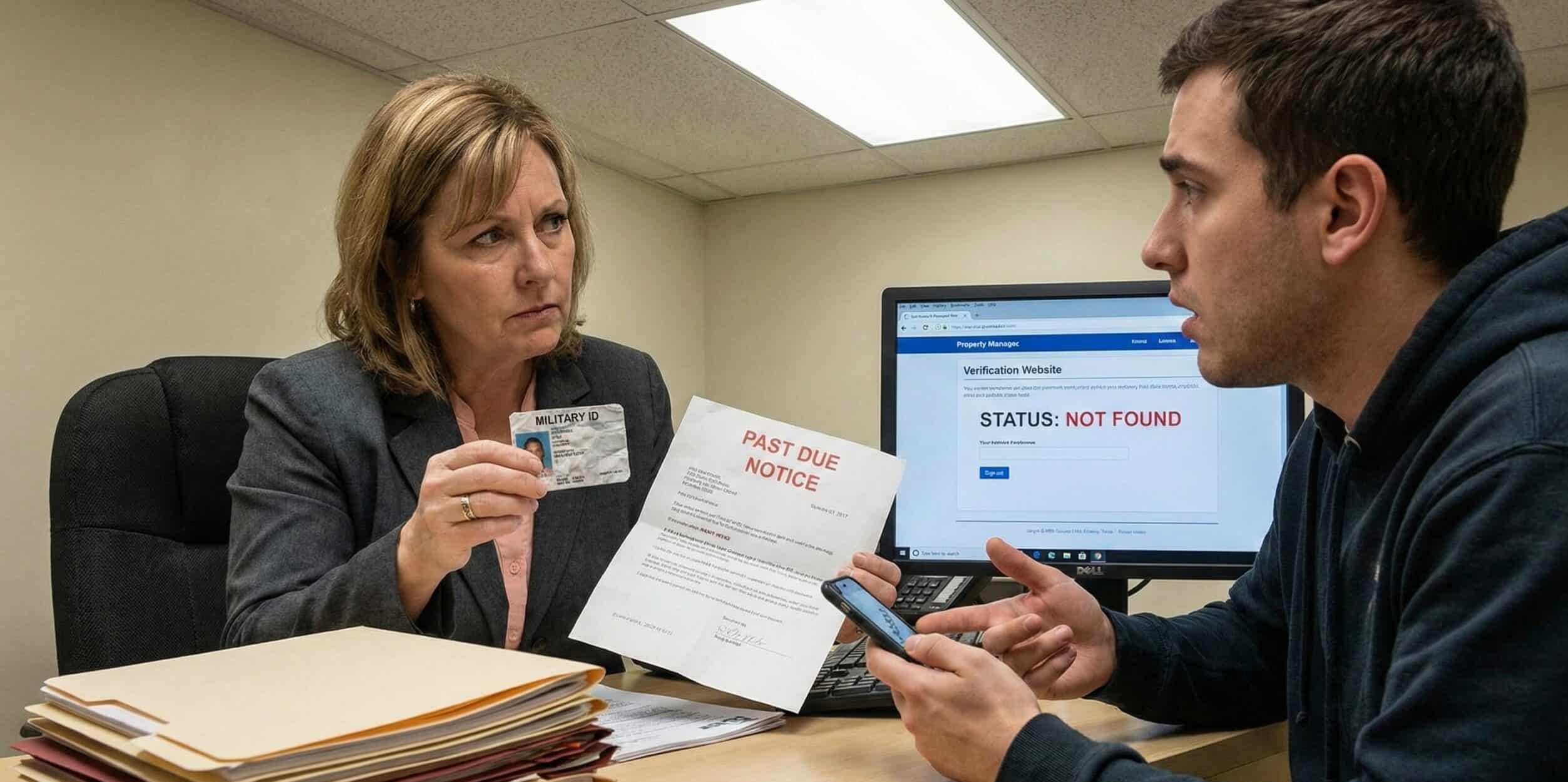
3. Verification Helps Courts Process Cases Faster
Judges rely on a valid military status affidavit before moving forward with most landlord-tenant cases involving unpaid rent. This requirement applies whether the landlord is seeking possession, a money judgment, or both.
When the affidavit is complete and accurate, the case can proceed without interruptions caused by missing information or unanswered questions about the tenant’s service.
Reliable verification, such as a DMDC-backed result provided through SCRACVS, gives the court what it needs to review the complaint and schedule the next steps. A correctly prepared affidavit prevents filing errors, rejected documents, and re-filings that slow the process.
This clear documentation supports the landlord’s claim from the beginning and helps the case progress without avoidable delays.
Practical Steps for Landlords Handling Unpaid Rent
1. Send a Written Notice to Pay or Quit
A written notice is the starting point for nearly every unpaid rent case. This document clearly states the amount of rent due, the payment deadline, and the consequences if the payment is not made by the specified date. Clear wording helps avoid confusion and ensures the tenant understands the seriousness of the situation.
Most states require this notice before an eviction case can be filed. Courts expect landlords to follow the state-specific notice rules, including the delivery method and the number of days the tenant must be given to resolve the issue.
A properly prepared notice not only supports the eviction process but also creates a record that shows the landlord made a good faith effort to collect the rent owed before turning to legal action.

2. Document All Missed Payments and Communications
Accurate records strengthen every unpaid rent case. A detailed ledger that shows each missed payment, partial payment, or failed payment attempt helps establish exactly how much the tenant owes. Keeping this information organized makes it easier to present a clear timeline once the case reaches the court.
Communication records matter just as much. Saving emails, text messages, and voicemail recordings creates a complete picture of your attempts to resolve the issue before filing a complaint. This documentation supports both the eviction process and any request for a money judgment, since it shows how the balance grew and how many opportunities the tenant had to address the unpaid rent.
3. Verify the Tenant’s Military Status Before Filing
Confirming military status is one of the most important steps in any unpaid rent case. Federal law requires landlords to verify whether the tenant is on active duty before filing an eviction claim, requesting a default judgment, or sending legal demands that move the dispute toward court. This safeguard protects both the landlord and the tenant by ensuring that the case follows the correct legal path from the start.
Using a trusted verification source such as SCRACVS provides court-ready documentation supported by DMDC data. This confirmation removes uncertainty and helps prevent mistakes that occur when landlords rely on assumptions or incomplete information.
Verification should be completed before taking any of the following actions.
- Filing an eviction case
- Requesting a default judgment
- Sending formal legal threats or demands
False assumptions about military status can create serious legal errors, and early verification helps ensure the case proceeds smoothly and stays compliant with federal requirements.
4. Proceed With Eviction or Money Judgment According to State Law
Once the notice requirements and verification steps are complete, the next move depends on the status of the tenancy. Filing promptly prevents the unpaid rent from growing into a larger balance that becomes harder to recover.
Acting within the timelines set by local laws also shows the court that the landlord handled the dispute in a responsible and orderly way.
Eviction focuses on recovering possession of the rental unit when the tenant remains in the property and continues to owe rent. A separate lawsuit addresses the unpaid rent balance, including any back rent that accumulated before the tenant moved out.
Some states allow both actions within the same case, while others treat them separately.
If the tenant is on active duty, the case may experience a temporary delay, although it will still move forward once the court determines the appropriate schedule. These adjustments affect timing, not the landlord’s right to recover unpaid rent or reclaim possession.
5. Consider Payment Plans or Early Move Out Agreements
Some unpaid rent disputes can be resolved more efficiently when both sides agree on a practical solution rather than relying solely on the court process. Judges sometimes encourage payment plans when the tenant has a steady income but cannot clear the entire amount at once.
A structured plan can help the tenant make progress while giving the landlord a predictable path toward recovering the balance.
Early move-out agreements can also reduce the time and expense of litigation. These arrangements allow the tenant to leave the rental unit by a specific date while still addressing the rent owed through a separate plan or a negotiated settlement.
For many landlords, this approach prevents further arrears, limits property damage risks, and speeds up the process of preparing the unit for a new tenant.
How SCRA Impacts Unpaid Rent Cases?
Unpaid rent cases follow different procedures when the tenant serves on active duty, since SCRA adds protections that can affect timing, documentation, and the eviction process. The table below outlines the key differences between civilian tenants and servicemembers.
| Issue | Civilian Tenant | Active Duty Military Tenant | SCRA Impact |
|---|---|---|---|
| Right to sue for unpaid rent | Yes | Yes | No limitation |
| Eviction | Allowed under state law | Requires a court order | High |
| Default judgment | Standard process | Extra verification required | High |
| Court delays | Rare | Likely, if the service affects the ability to appear | Moderate |
| Lease termination | State law applies | Only allowed with qualifying orders | High |
Stay Protected With Verified Military Status Before Suing for Unpaid Rent
Landlords often reach a point where unpaid rent forces action, and that responsibility does not change when the tenant serves in the military. What does change is the path you must take. SCRA shifts the process, adjusts timelines, and adds layers of documentation that courts take seriously. When these steps are handled correctly, the landlord can still recover the rent owed and move the case toward a judgment without unnecessary setbacks.
Federal compliance hinges on one requirement above all others: confirming military status before filing. Courts rely on accurate affidavits to decide whether a case can proceed, and any mistake in these filings places the landlord at risk. A single incorrect statement can slow the case, undo a judgment, or expose the landlord to penalties that could have been avoided with proper verification.
This is where SCRACVS becomes essential. The service provides fast, precise, DMDC-backed verification and court-ready affidavits that remove uncertainty from the process. With reliable results in hand, landlords can file confidently, avoid procedural traps, and protect their position throughout the eviction or collection action.
To move forward without costly delays, register for access to the SCRACVS verification system.
FAQs
Can a landlord sue a tenant for unpaid rent if they are in the military?
A landlord can sue a tenant for unpaid rent even when the tenant serves on active duty. The unpaid rent remains a breach of the lease agreement, and the landlord may file for eviction or pursue a money judgment under state law. SCRA does not erase the rent owed. It only affects the timing of the court case, since judges may grant delays when military service limits the tenant’s ability to appear. Verification of military status is required before the court will act.
What happens if a tenant stops paying rent without terminating the lease properly?
A tenant who stops paying rent without following the lease termination rules remains responsible for the rent owed. If the tenant fails to provide written notice or qualifying documentation, the landlord may send a notice to pay or quit, file an eviction case, and pursue a money judgment for the unpaid rent. Courts expect accurate records showing back rent, dates, and communication attempts. The tenant’s profession does not change the landlord’s right to collect unpaid rent.
Can a landlord sue for unpaid rent even if the servicemember is deployed?
A landlord can sue for unpaid rent during deployment, although SCRA may affect how quickly the case moves forward. The eviction process and collection action still follow state law, but the court may grant a stay if deployment prevents the tenant from appearing. A deployment does not remove the tenant’s obligation to pay rent. The court requires verification of military status before ruling on any complaint involving unpaid rent or possession of the rental unit.
Does SCRA protect dependents living with the servicemember?
SCRA can protect dependents living with the servicemember when the tenancy is tied to the active duty member’s lease. These protections may affect eviction timelines, court dates, and certain legal actions involving unpaid rent. The landlord may still send a written notice, document the rent owed, and file according to state law, but the court may delay the case if military service limits the household’s ability to respond. Dependents do not receive protection for unpaid rent unrelated to SCRA-qualified service.
Can a servicemember be evicted for nonpayment of rent?
A servicemember can be evicted for nonpayment of rent when state law requirements are met, although the landlord must obtain a court order before any eviction can occur. SCRA prevents self-help evictions and allows the tenant to request a delay if service affects the ability to appear. The unpaid rent remains collectible, and the landlord may pursue possession of the rental unit along with a money judgment for the amount owed. Verification of military status is required before the court proceeds.